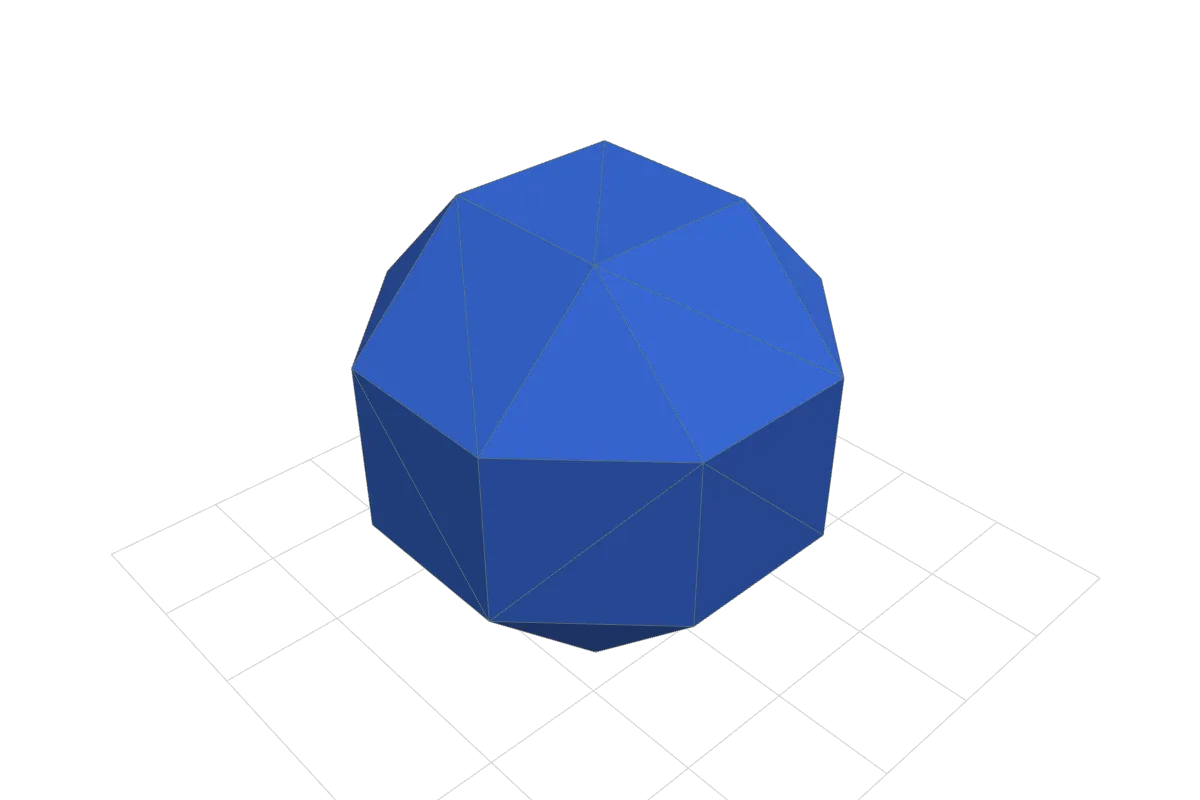
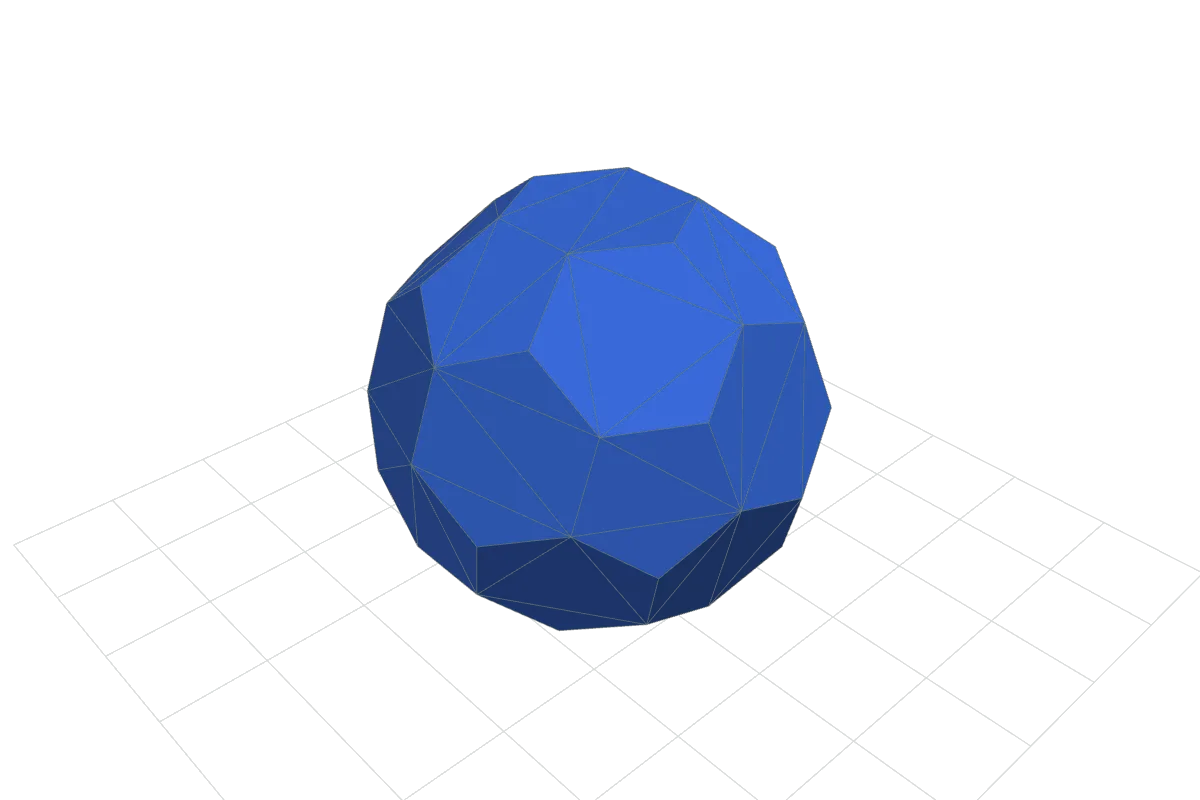
108 triangles
Overhang test (20°–70°)
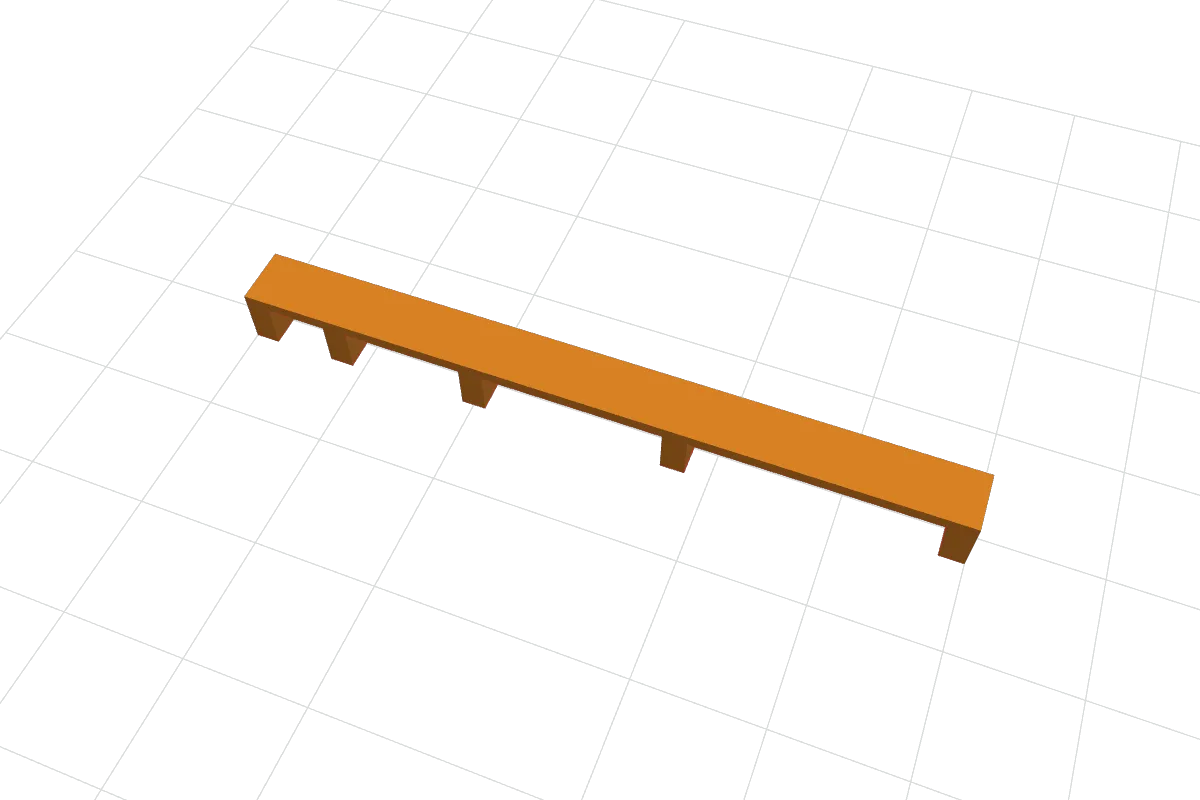
Six fins leaning 20° to 70° from vertical on one base strip, so a single print shows the steepest overhang your printer handles without supp…
Original · CC0 · verified
Gears, cookie cutters, vases, chess pieces, knots, calibration prints, keychains, terrain and geometry — every one generated by open code, checked edge by edge and downloadable as 3MF, STL, OBJ, GLB or PLY.
Measure what your printer can really do: overhangs, bridges and hole tolerances.
Six fins leaning 20° to 70° from vertical on one base strip, so a single print shows the steepest overhang your printer handles without supp…
Pillars joined by a 2 mm deck over 10, 20, 30 and 40 mm gaps, to see how far your printer can bridge in mid-air.
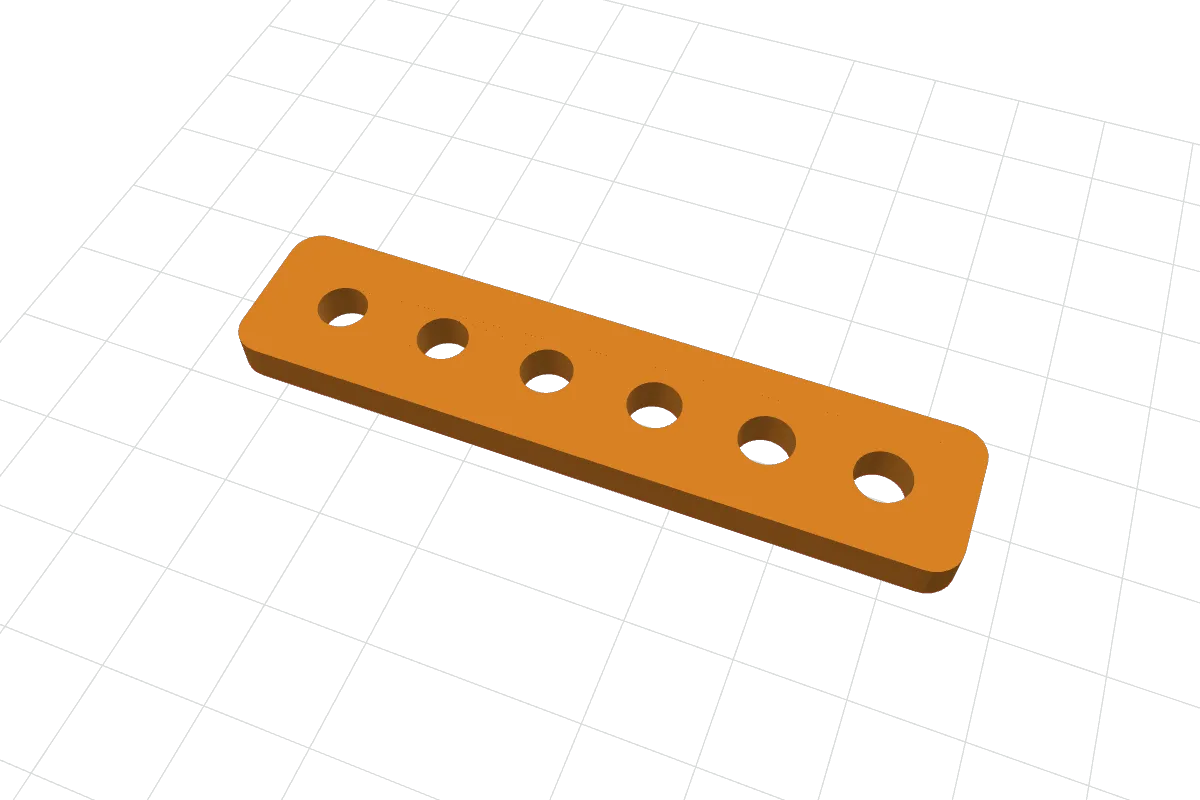
A plate with six holes from 5.0 to 5.5 mm in 0.1 mm steps. Test which hole a 5 mm pin, drill bit or printed peg fits.
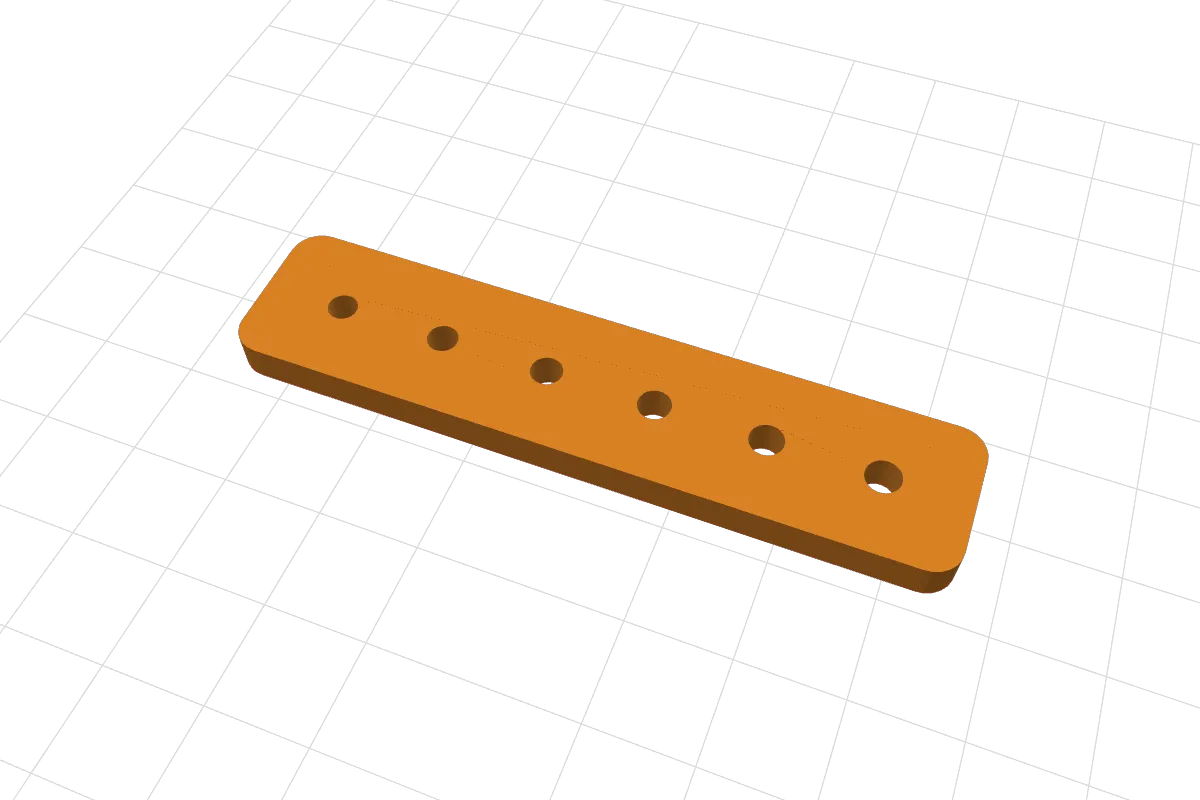
Six holes from 3.0 to 3.5 mm for M3 screws, 3 mm pins and magnets.
Involute gears, knobs, washers and plates with real-world dimensions.
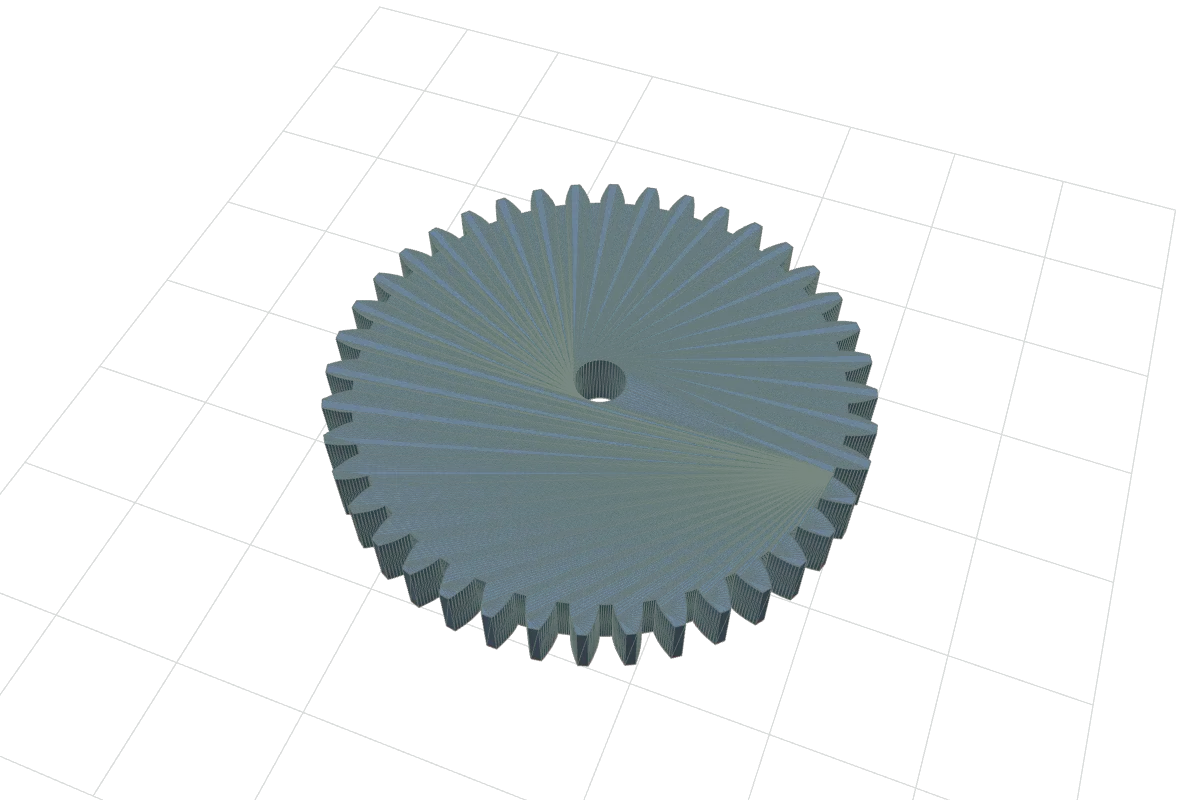
An involute spur gear: 24 mm pitch diameter, 20° pressure angle, 5 mm bore. Meshes with any module-2 gear in this library.
A 20-tooth involute gear with a 40 mm pitch diameter and 44 mm outside diameter.
A 60 mm pitch-diameter gear with five lightening holes, which cut material and print time without weakening the teeth.
A finer-pitch gear: module 1 gives small teeth on a 40 mm pitch circle — a test of your printer’s detail.
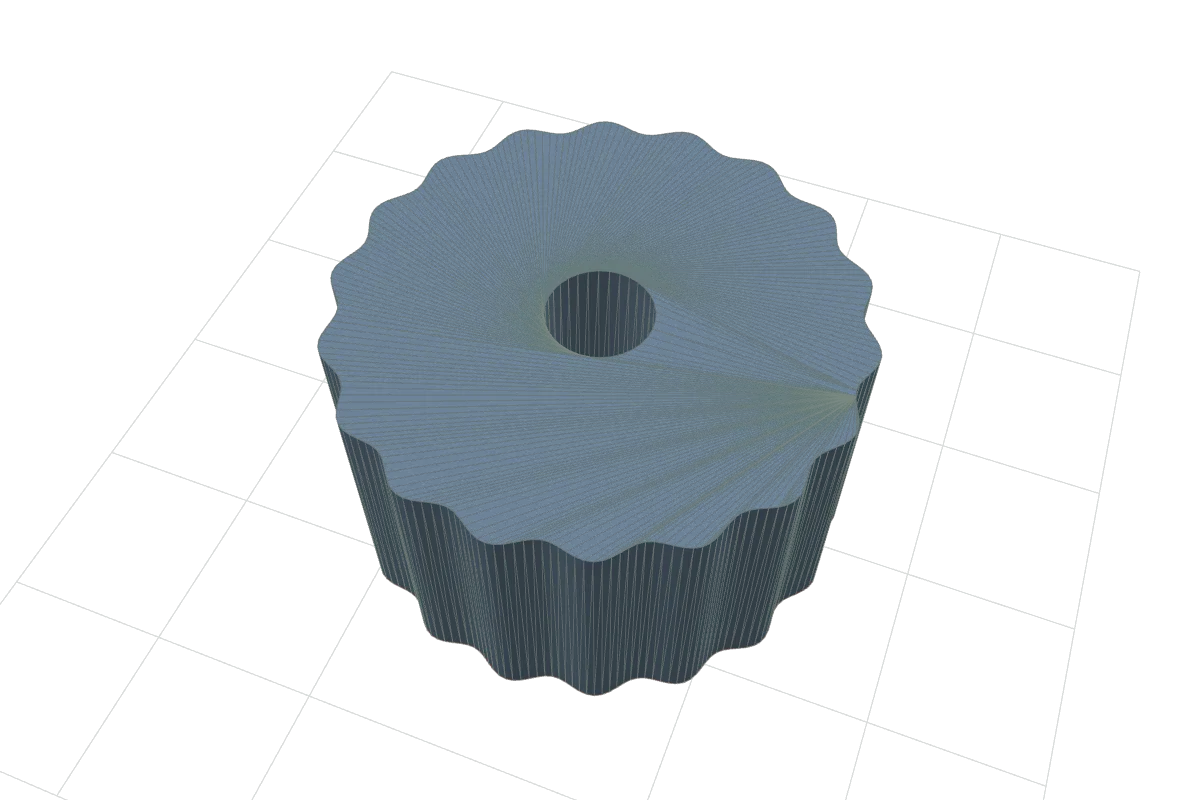
A grip knob with 18 rounded ridges and a 6 mm bore for a shaft or bolt head.
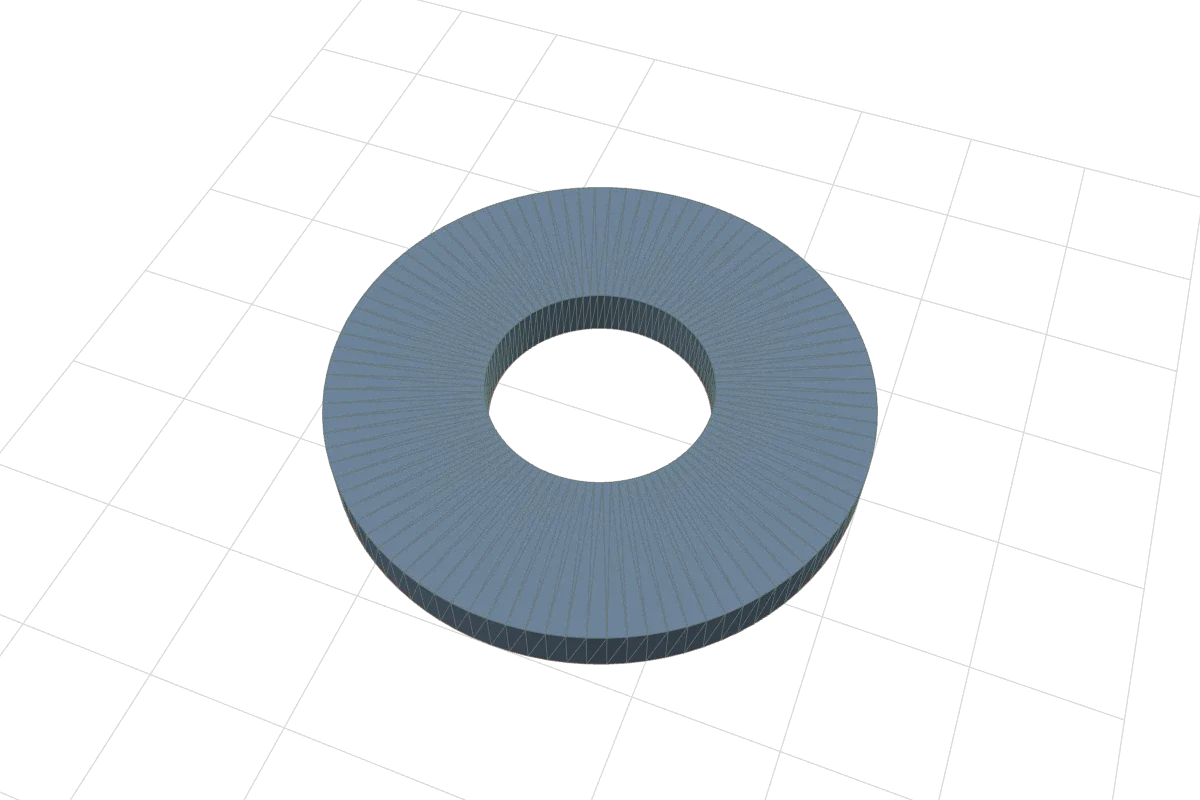
A flat 20 mm washer with an 8.4 mm hole — the standard clearance for an M8 bolt.
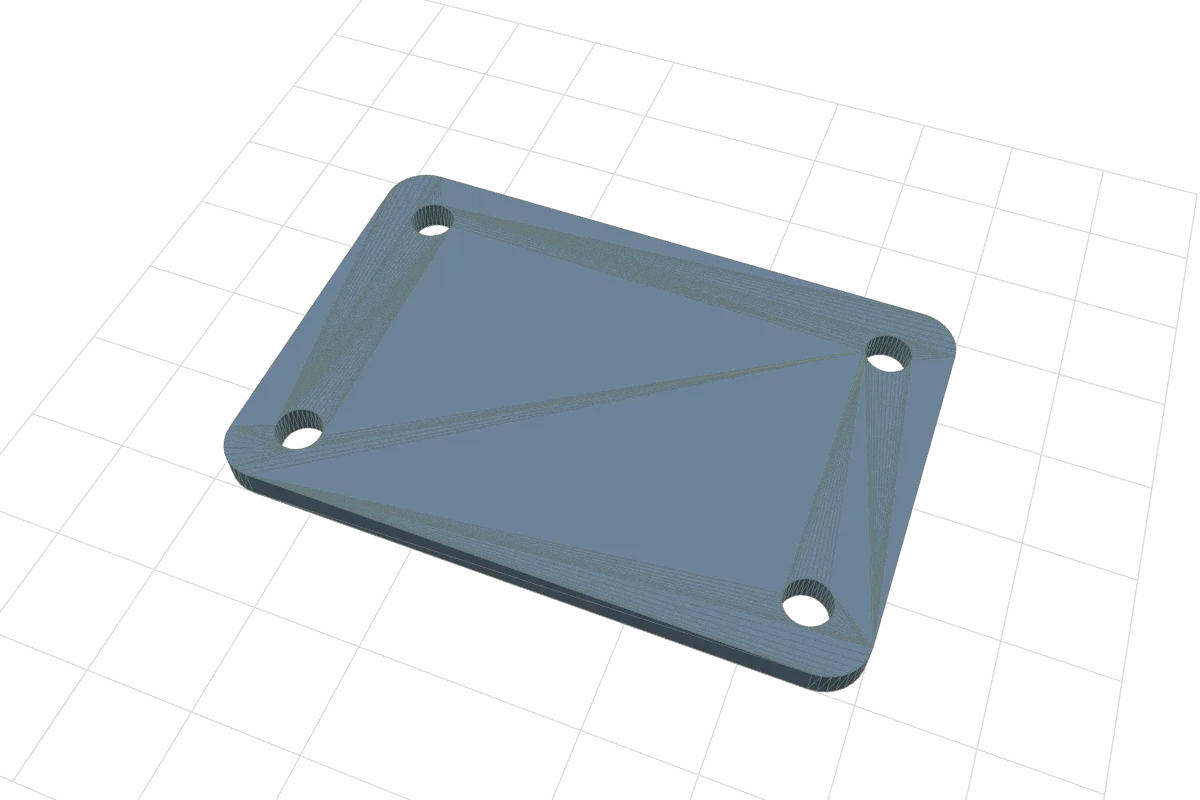
A 60 × 40 mm plate with four M4 clearance holes on a 48 × 28 mm pattern.
Food-friendly cutter designs with a comfortable flange, printable without supports.
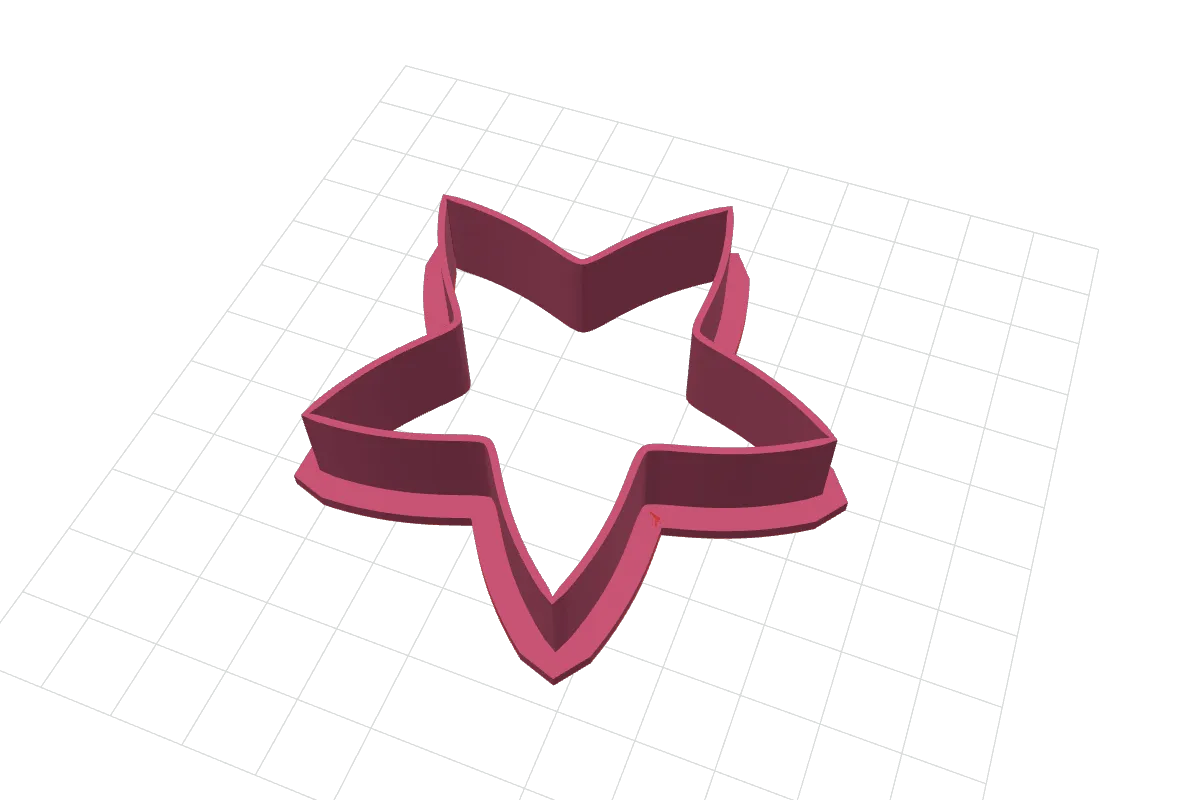
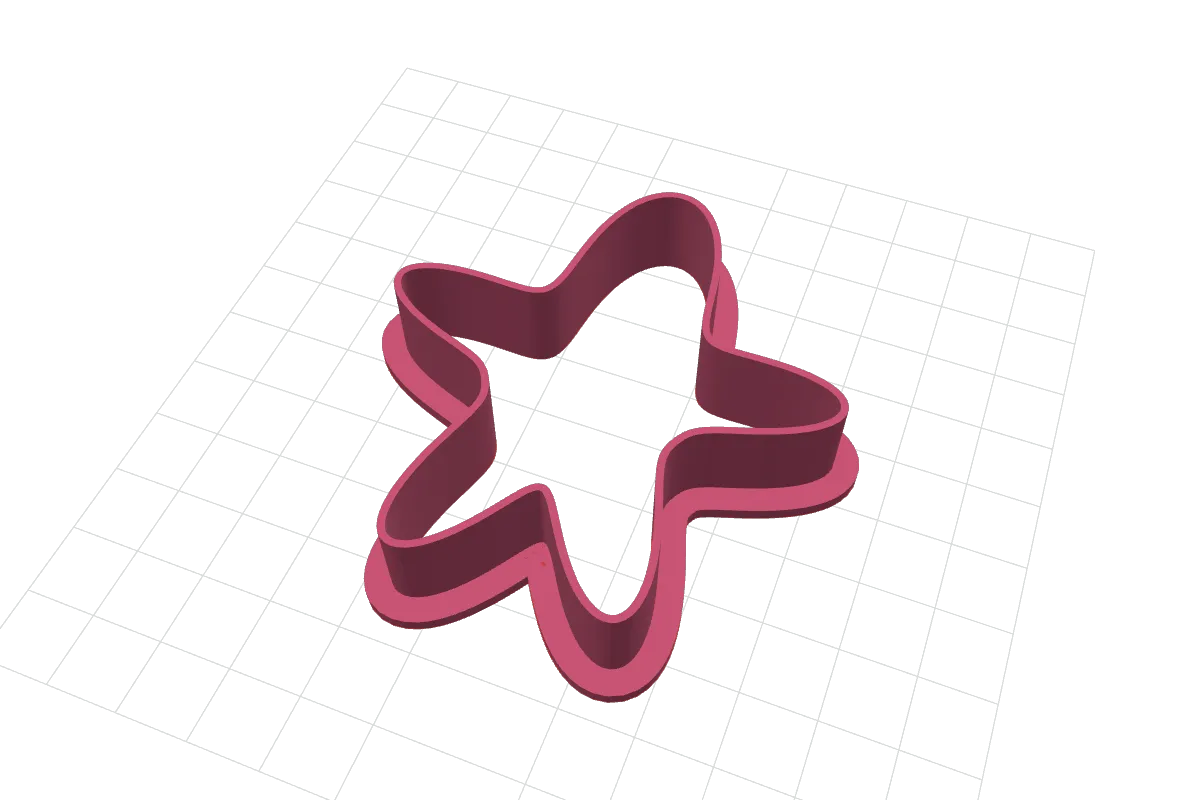
A rounded five-point star, 70 mm across, with a 1 mm cutting blade 15 mm tall and a 4 mm flange for comfortable pressing.
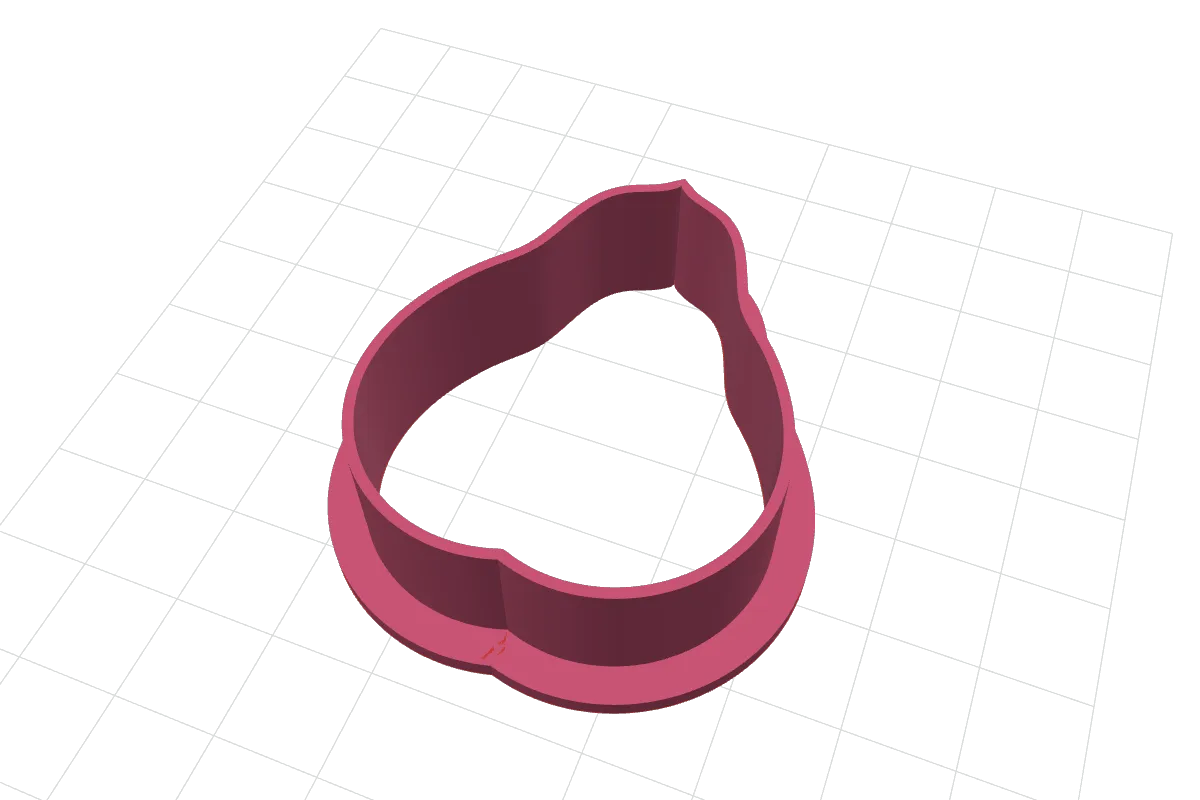
A classic heart from a smooth parametric curve, 70 mm across, with a 1 mm cutting blade 15 mm tall and a 4 mm flange for comfortable pressin…
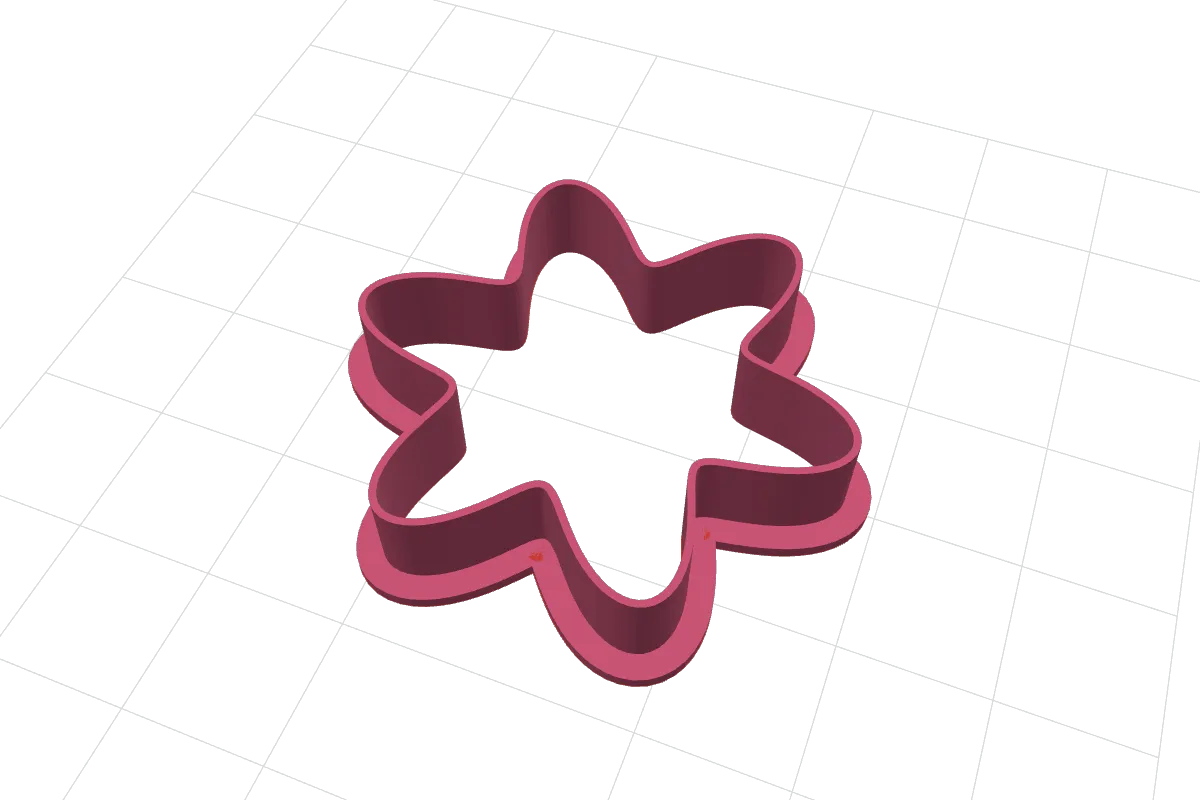
A six-petal flower, 70 mm across, with a 1 mm cutting blade 15 mm tall and a 4 mm flange for comfortable pressing.
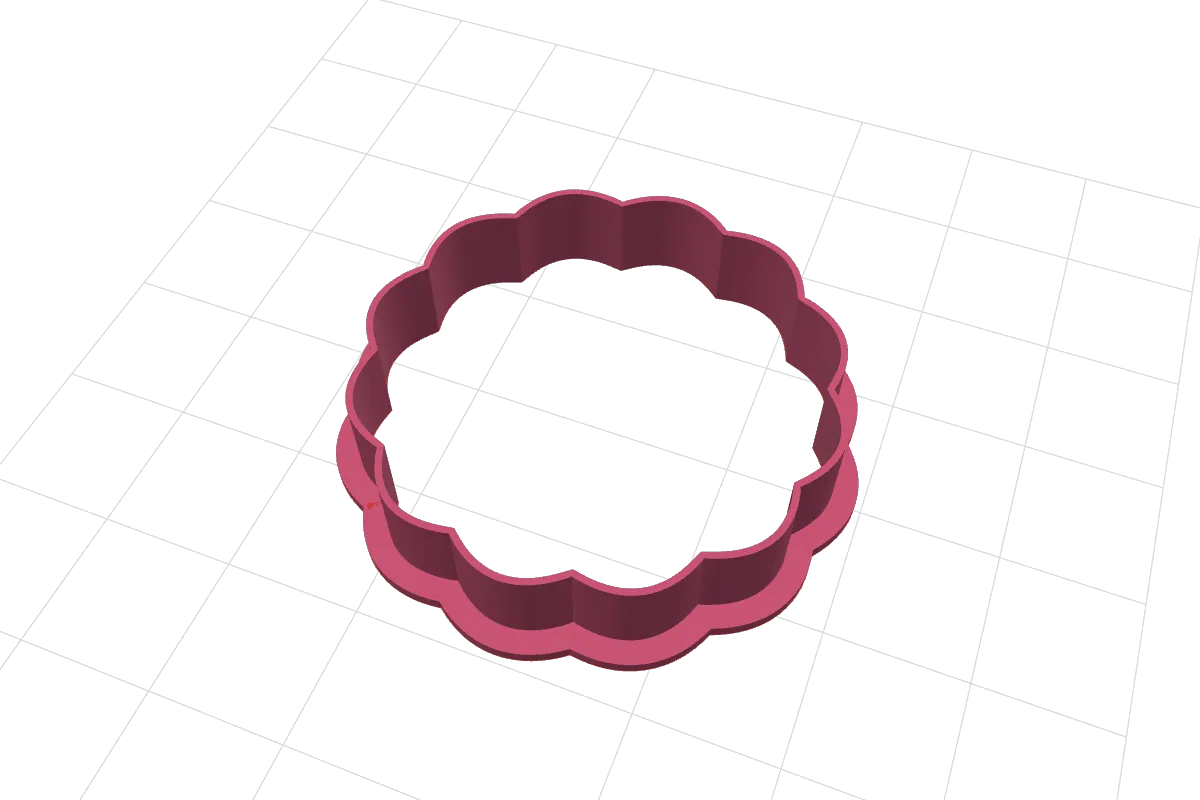
A fluted round with 12 scallops, 70 mm across, with a 1 mm cutting blade 15 mm tall and a 4 mm flange for comfortable pressing.
A gingerbread-person silhouette, 70 mm across, with a 1 mm cutting blade 15 mm tall and a 4 mm flange for comfortable pressing.
A layered Christmas tree, 70 mm across, with a 1 mm cutting blade 15 mm tall and a 4 mm flange for comfortable pressing.
A plain round, 70 mm across, with a 1 mm cutting blade 15 mm tall and a 4 mm flange for comfortable pressing.
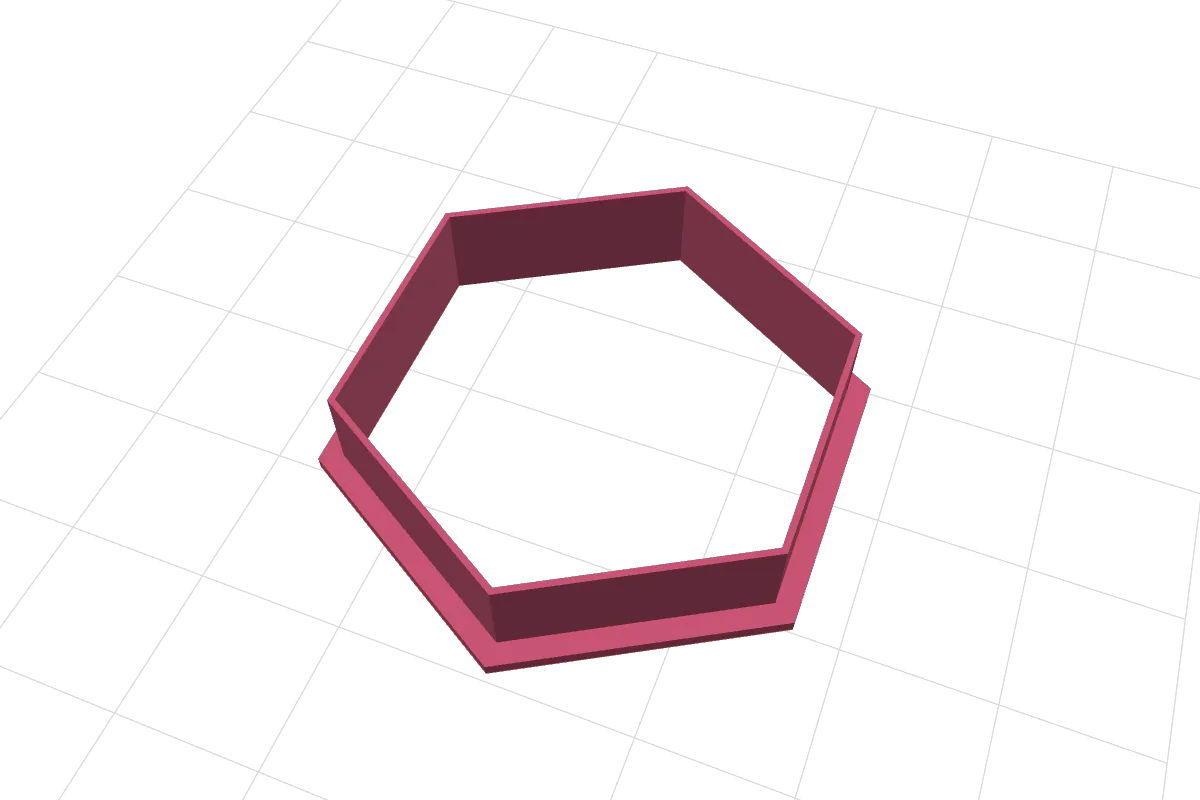
A six-sided cutter that tiles with no waste, 70 mm across, with a 1 mm cutting blade 15 mm tall and a 4 mm flange for comfortable pressing.
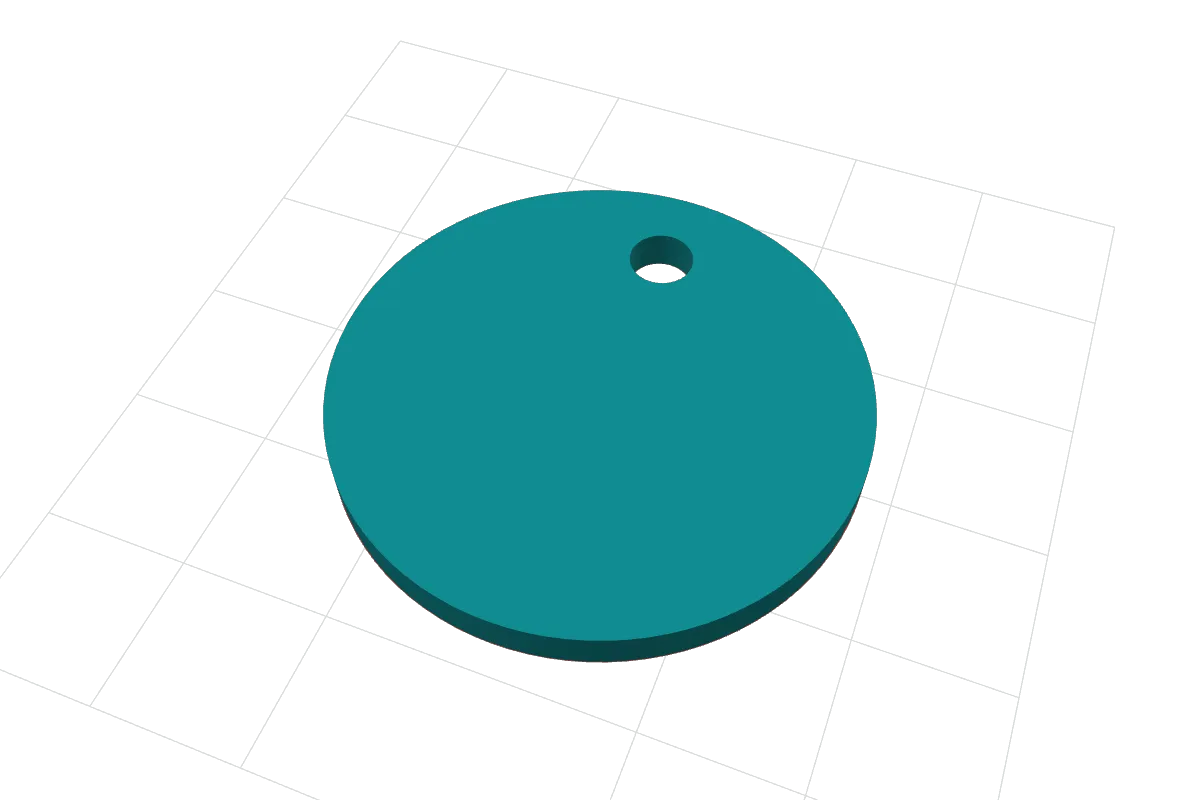
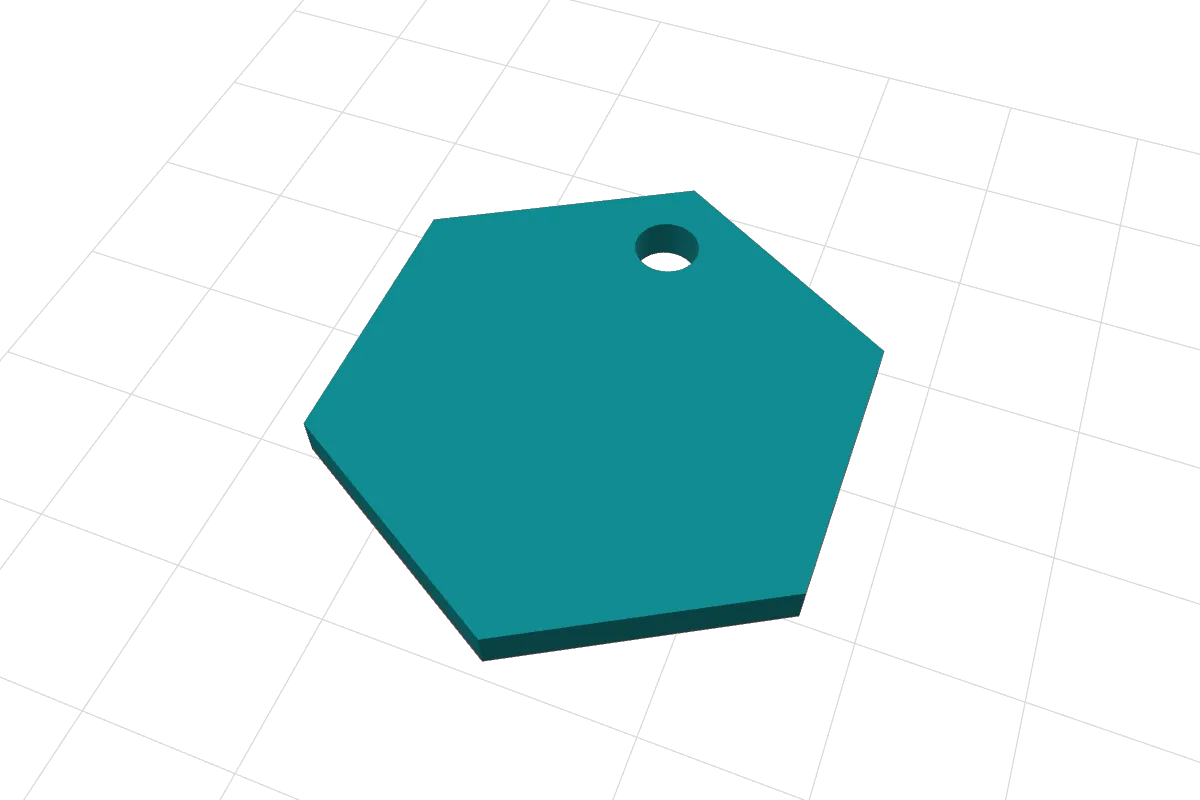
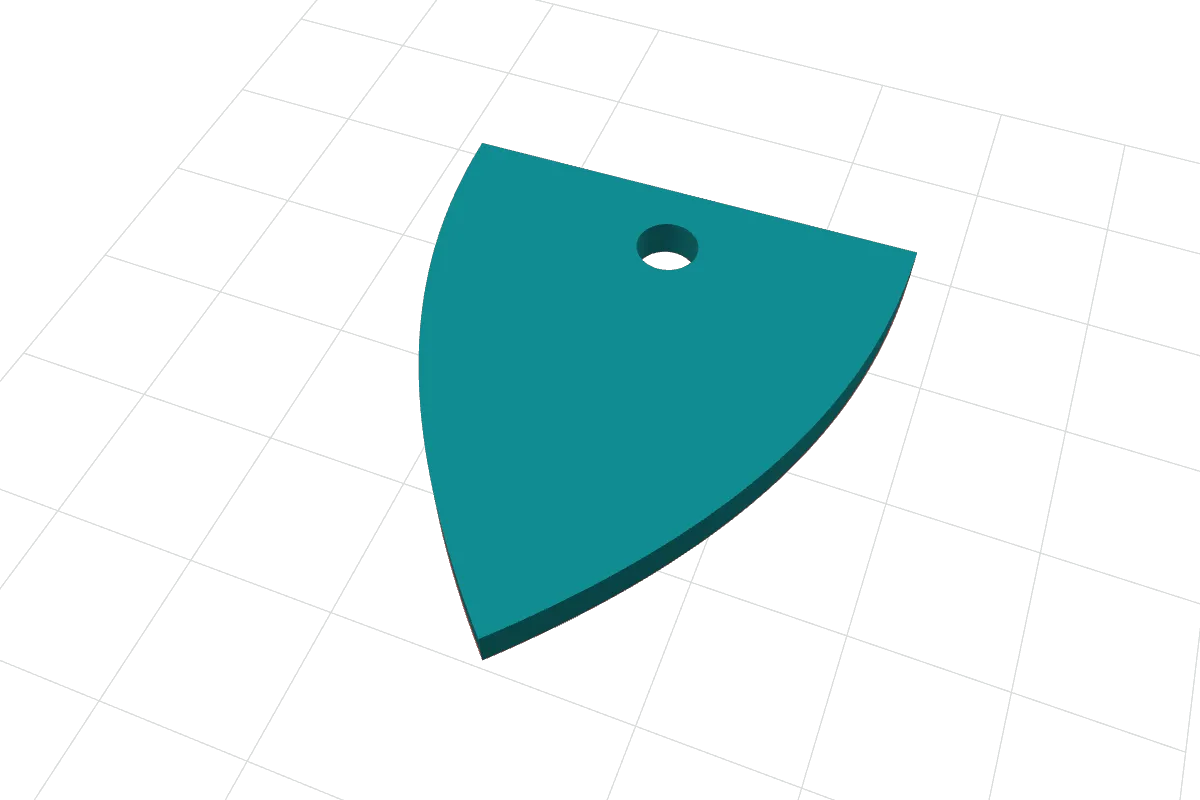
Tag blanks with key-ring holes and a voxel-built sign.
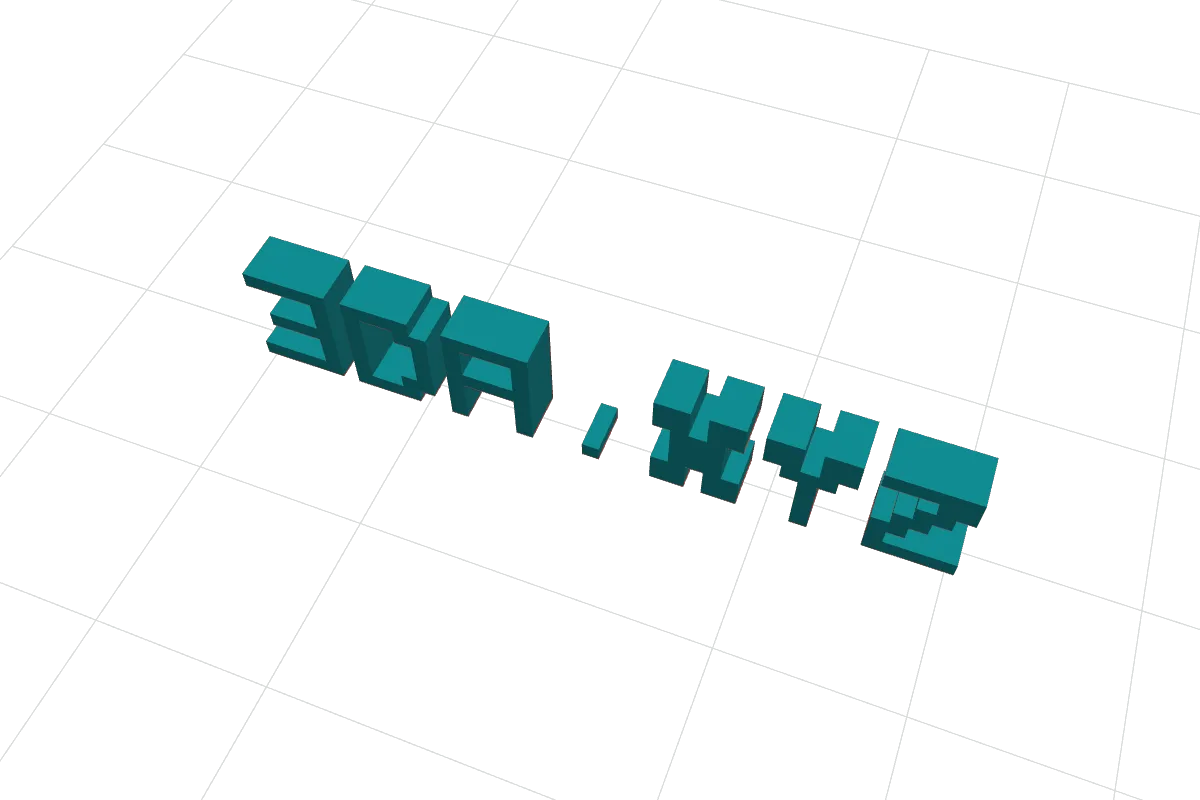
The name 3DA.XYZ built from 2 mm cubes on a 5 × 7 pixel grid — a demonstration of voxel modeling. The glyphs avoid corner-only pixel contact…
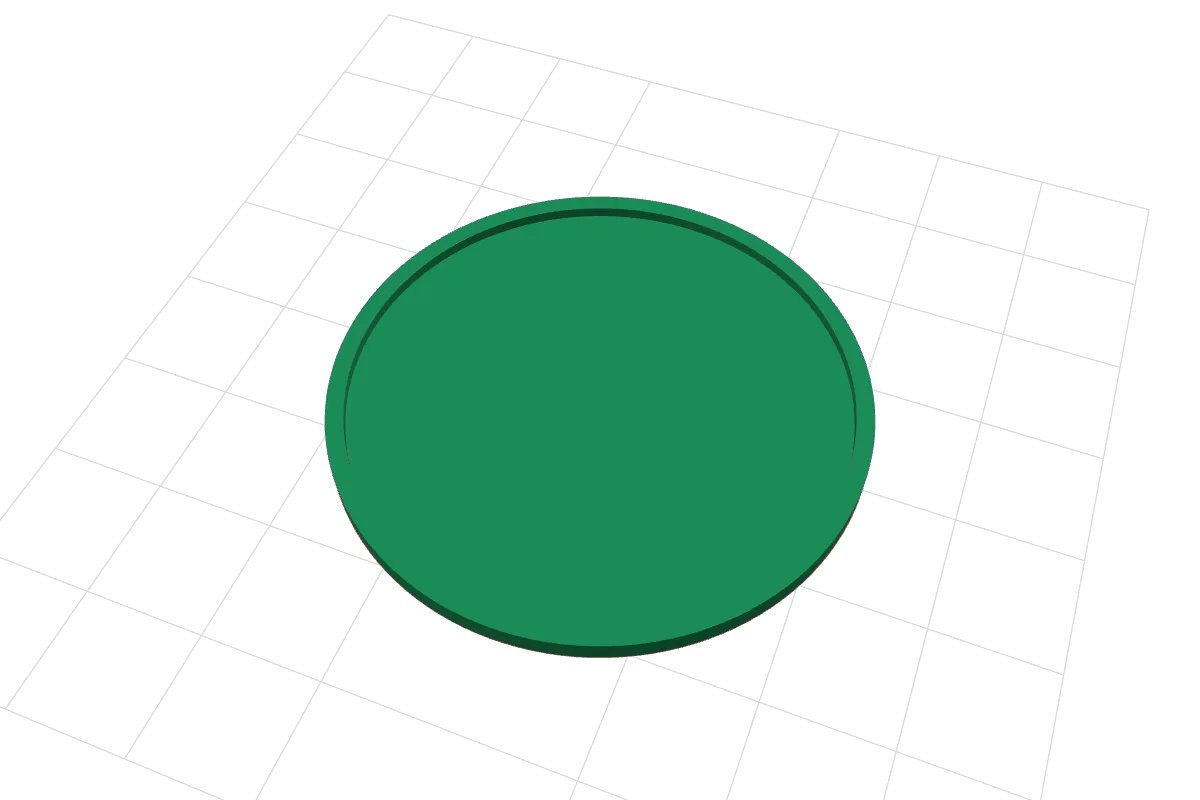
Vases for spiral mode, a lampshade, bowl, planter, pencil cup and coaster.
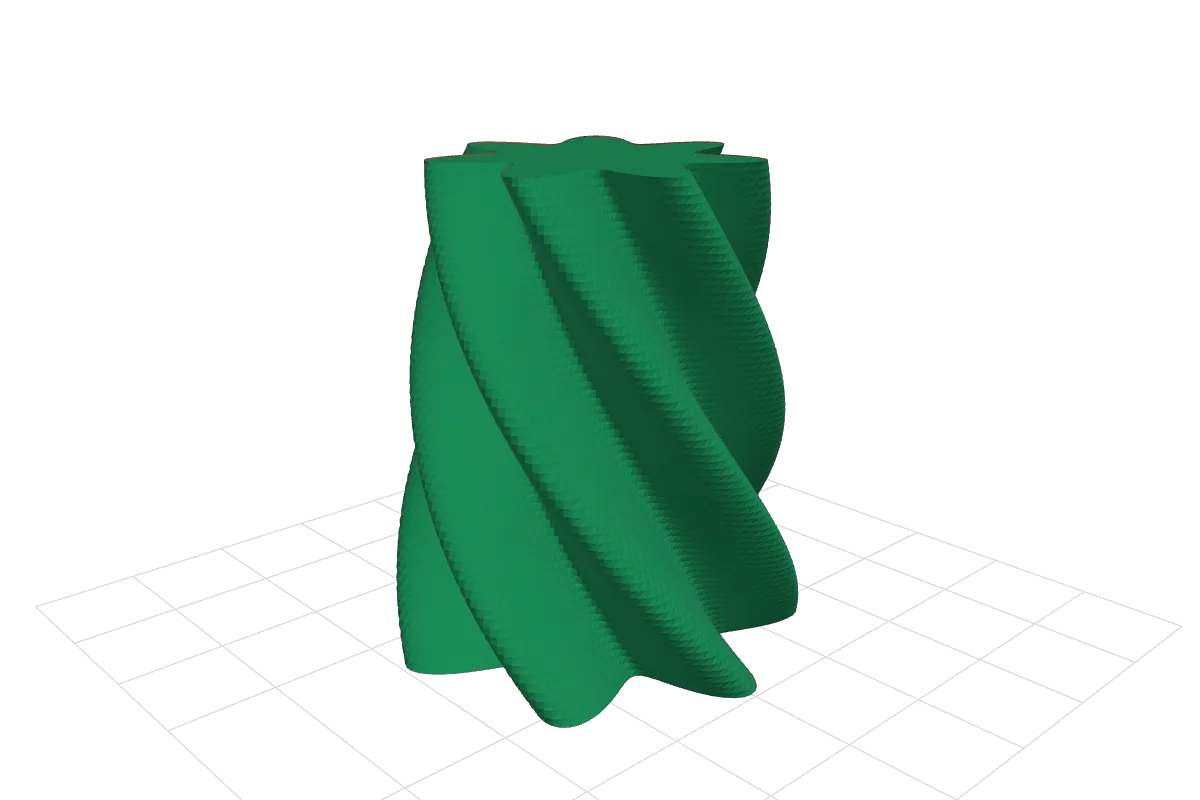
An octagonal vase that twists 90° over 120 mm. Designed for single-wall “vase mode” printing.
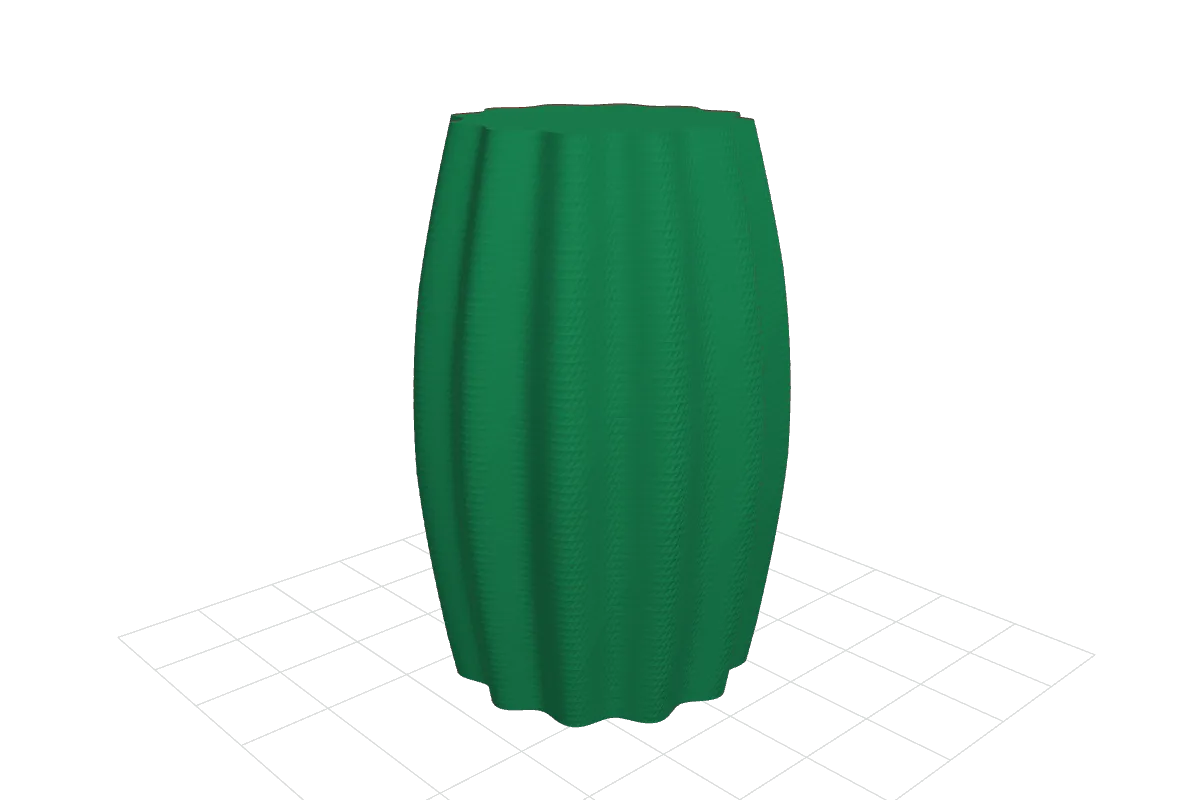
Seven lobes twisting 120° from base to top, tapering 25%. Print in vase mode for a translucent shade.
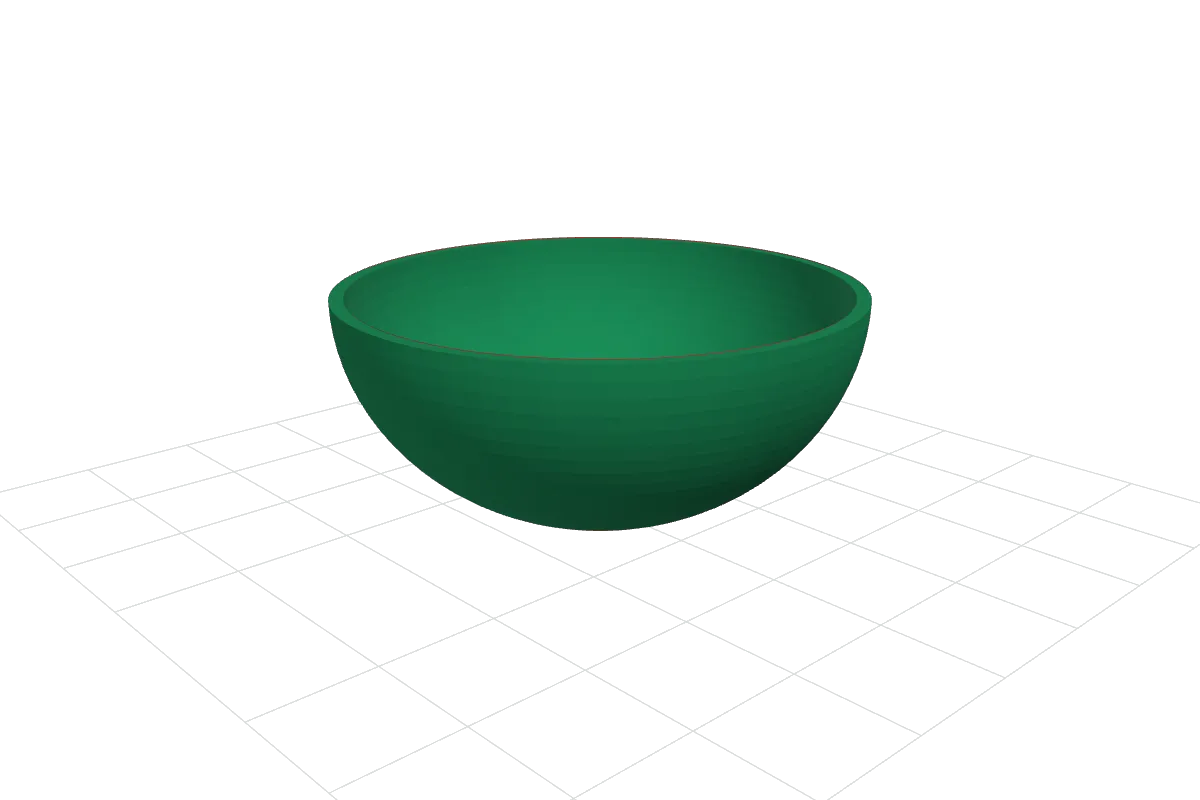
A 90 mm hemispherical bowl with a 2.4 mm wall and flat-bottom contact patch.
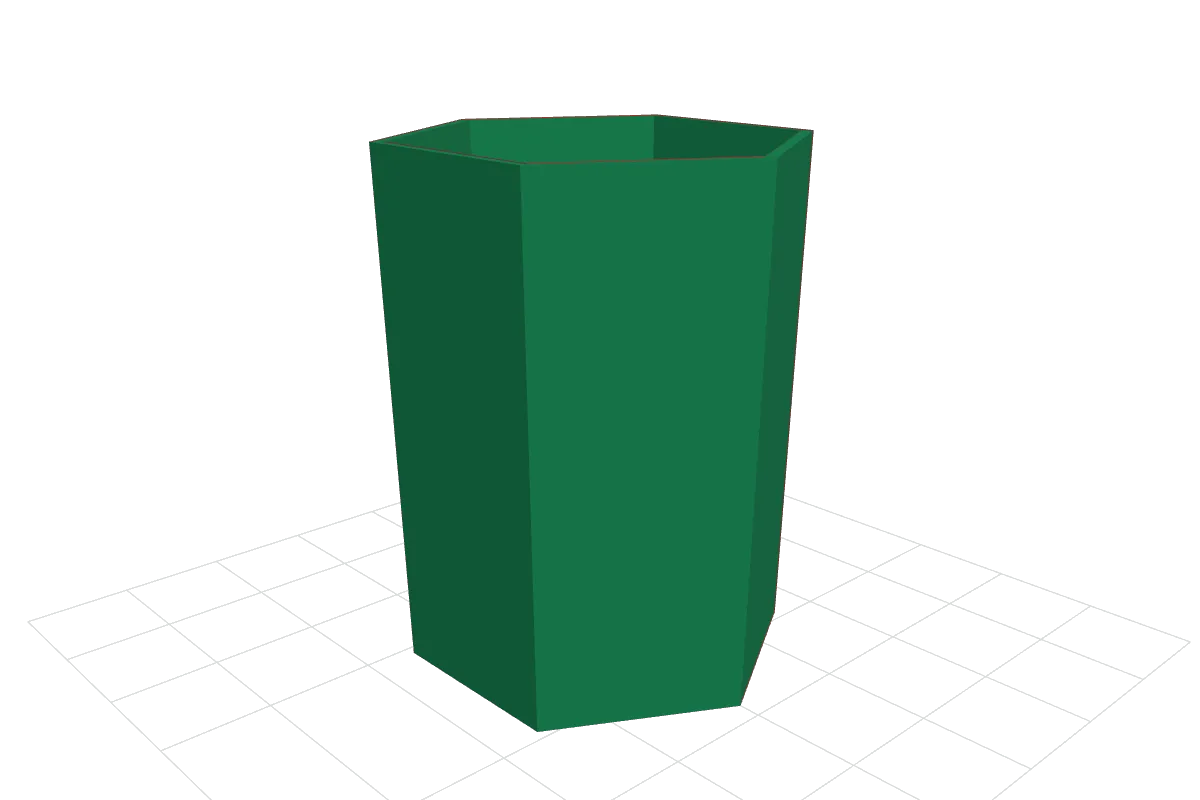
A six-sided desk cup made by revolving a profile with only six segments — a neat trick for faceted shapes.
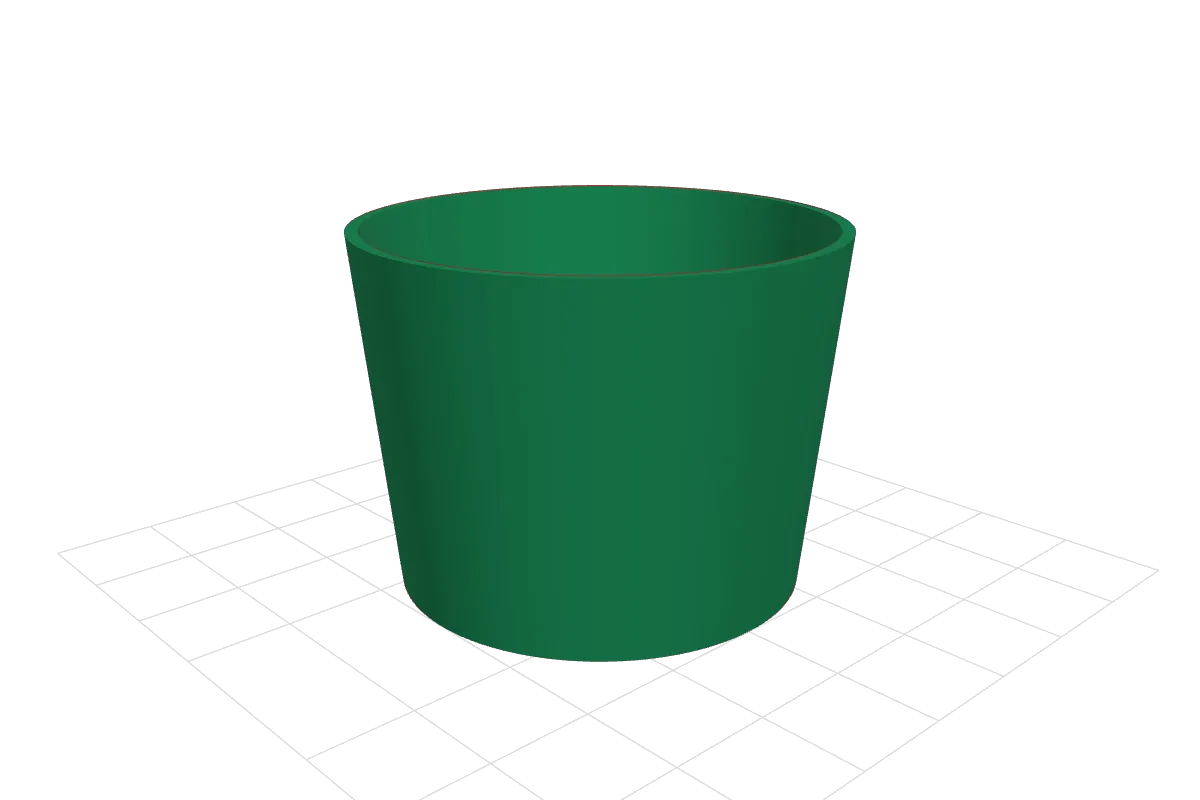
A flared 80 mm planter with a 10 mm drainage hole. Topologically a ring: its Euler characteristic is 0.
Turned pieces made by revolving smooth profiles.
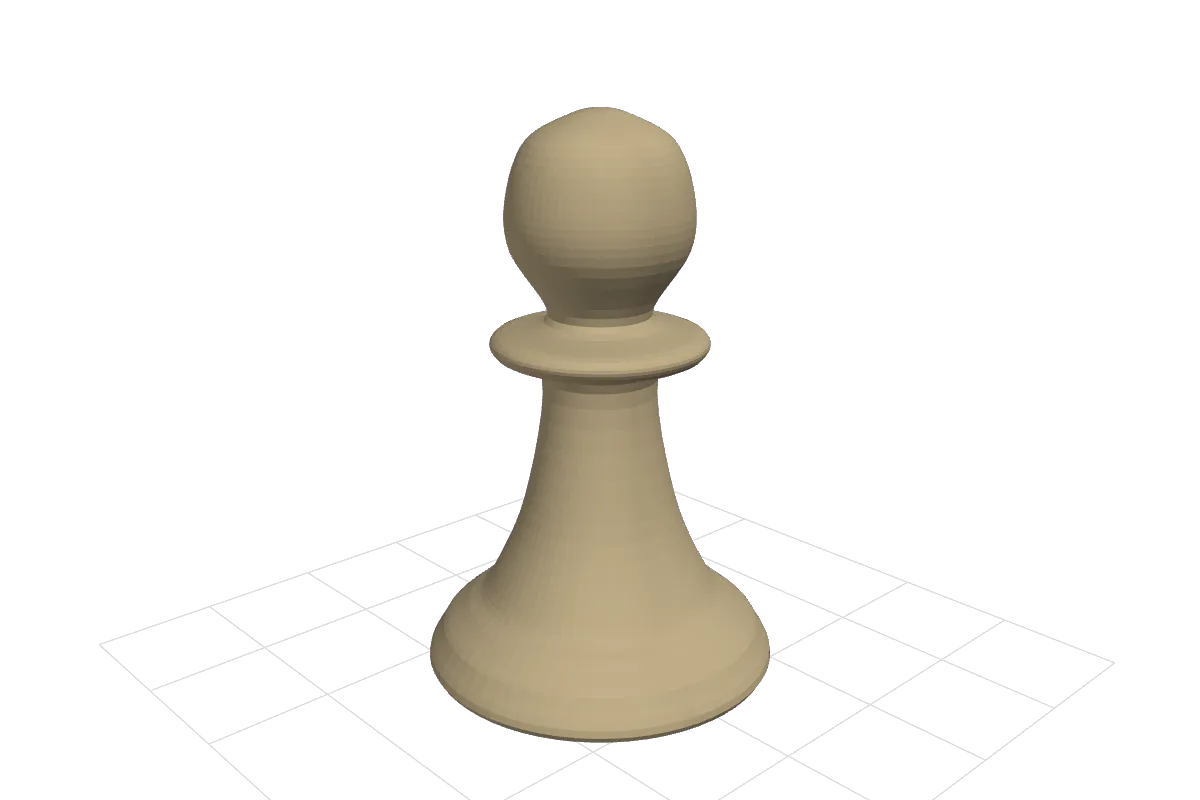
A 44 mm turned pawn, made by revolving a smooth profile around its axis — the same way a lathe turns wood.
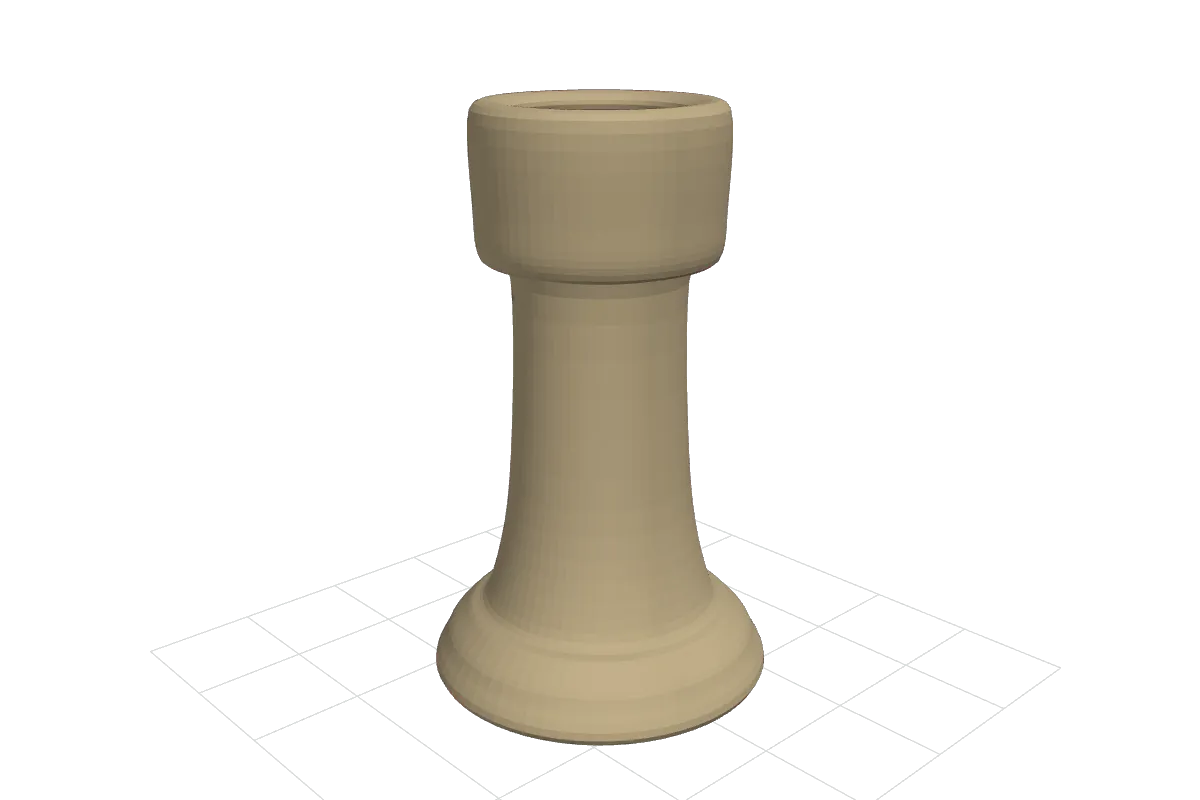
A 51 mm tower-style rook, made by revolving a smooth profile around its axis — the same way a lathe turns wood.
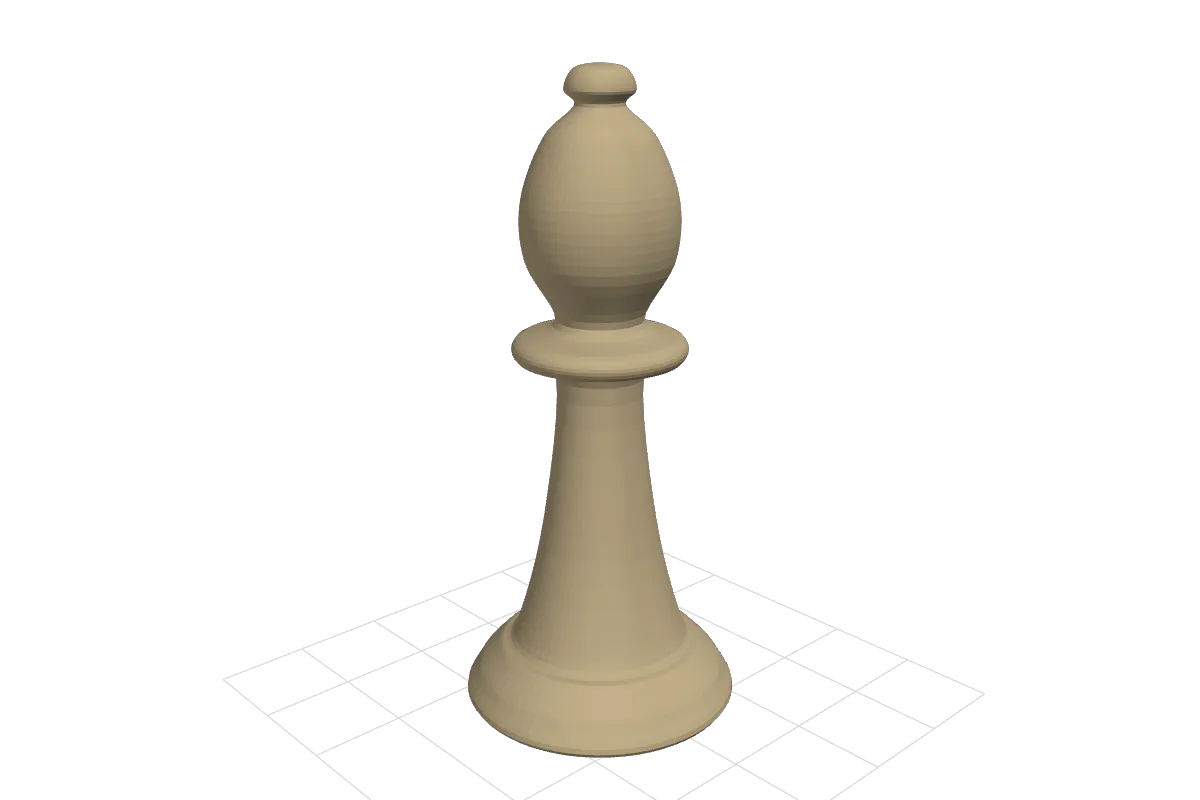
A 67 mm bishop with a mitre bead, made by revolving a smooth profile around its axis — the same way a lathe turns wood.
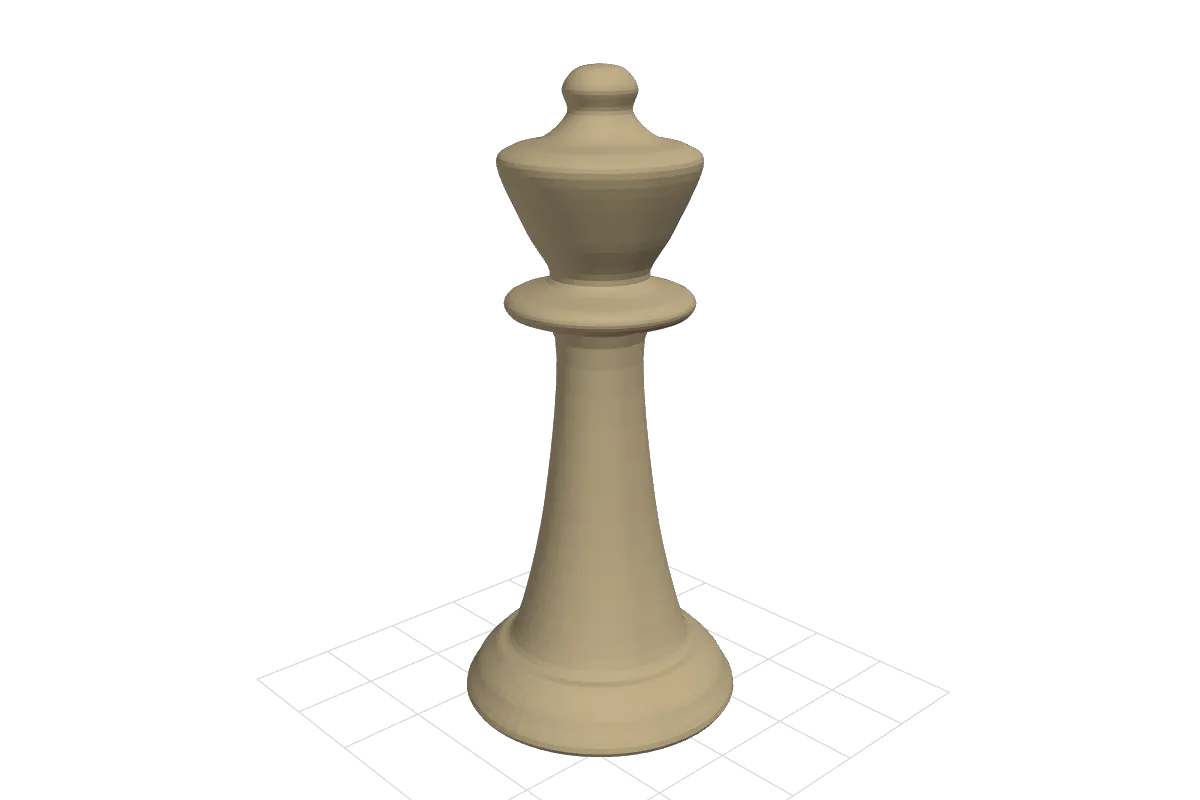
A 74 mm queen, made by revolving a smooth profile around its axis — the same way a lathe turns wood.
An 87 mm king with a tall finial, made by revolving a smooth profile around its axis — the same way a lathe turns wood.
Platonic and Archimedean solids, knots, Möbius strips, fractals and minimal surfaces.
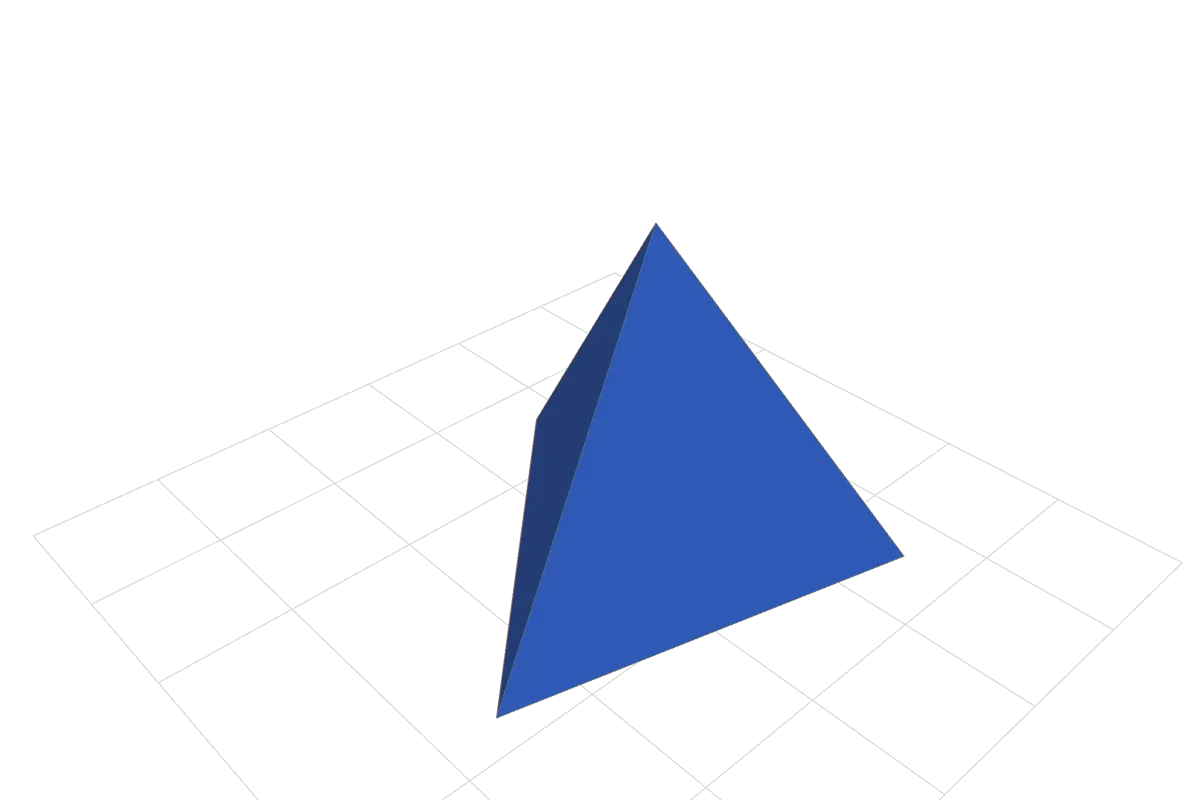
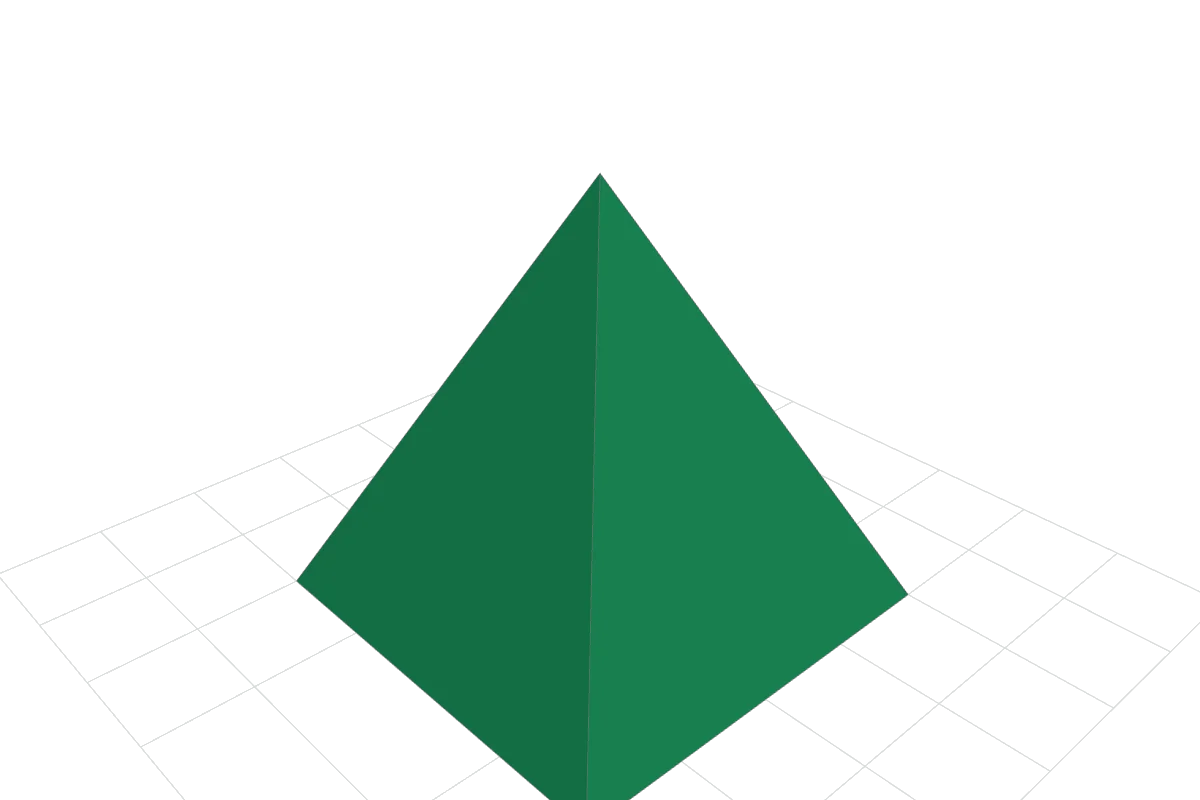
Tetrahedron, 40 mm across: 4 triangular faces — the simplest Platonic solid. Built as the convex hull of its exact vertex coordinates.
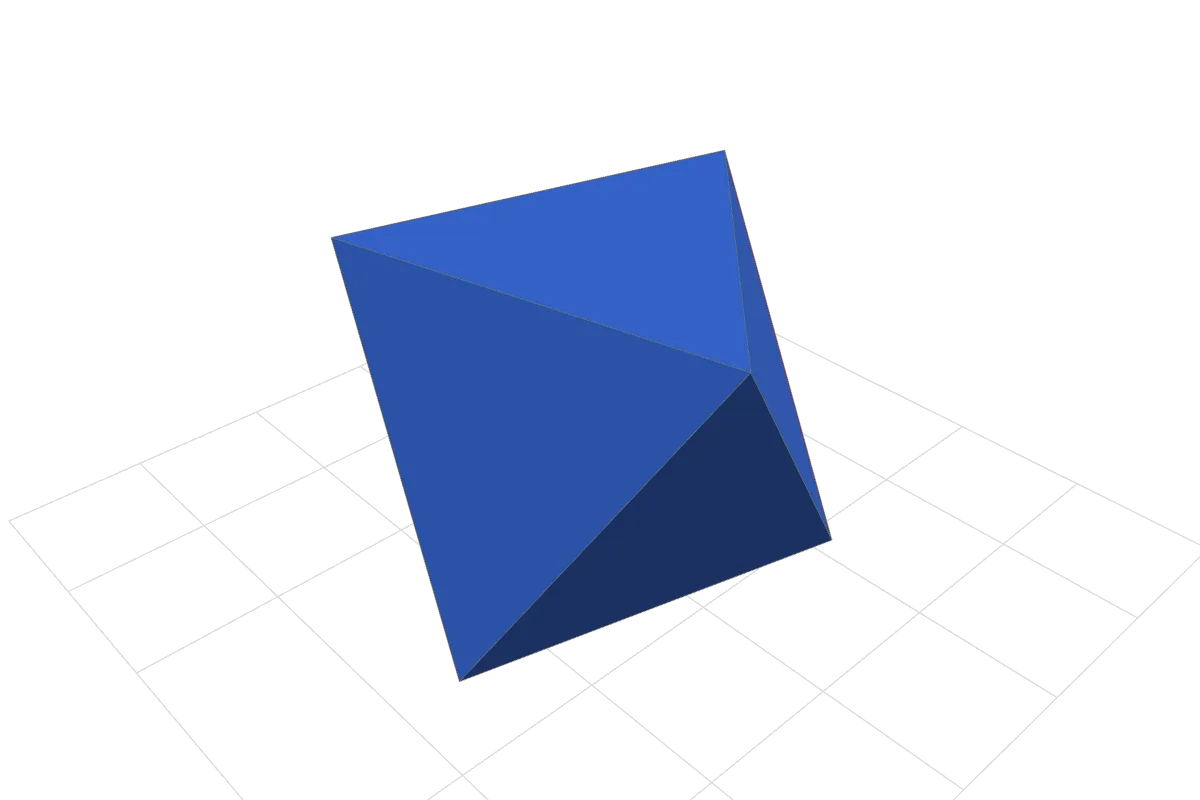
Octahedron, 40 mm across: 8 equilateral triangles; its vertices sit at ±1 on each axis. Built as the convex hull of its exact vertex coordin…
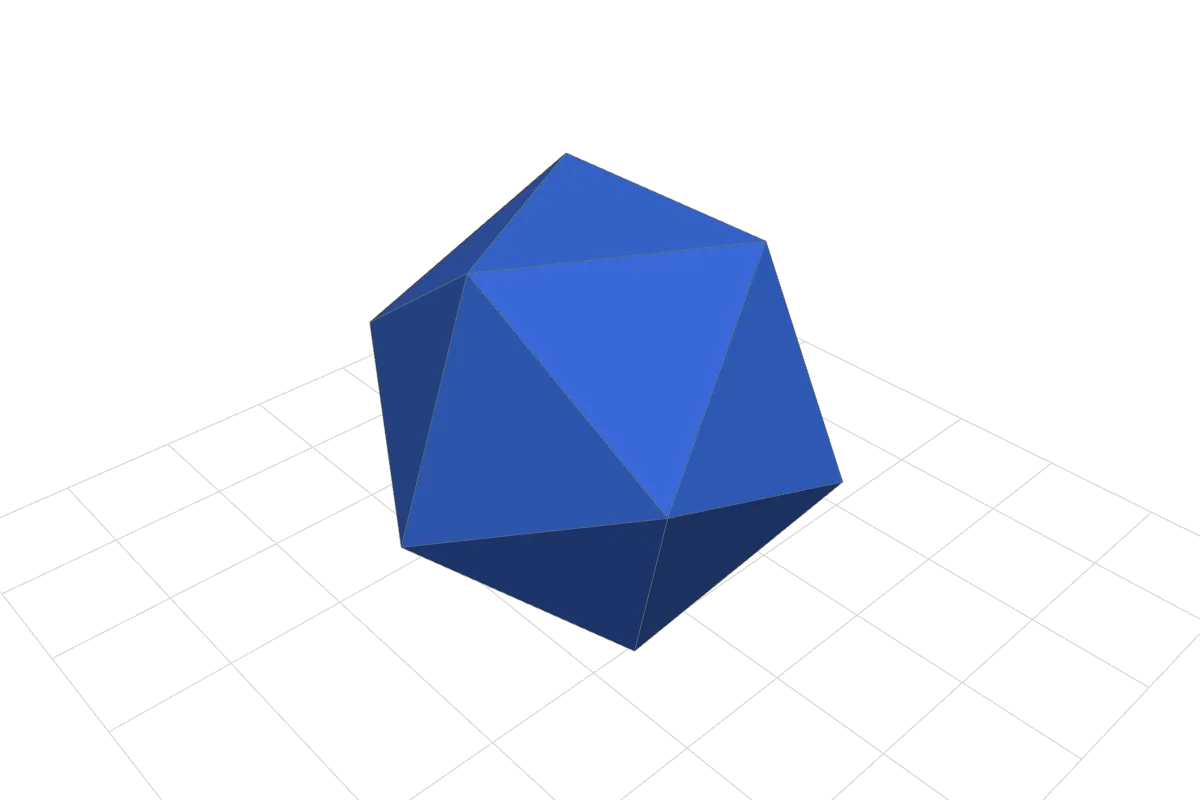
Icosahedron, 40 mm across: 20 triangles — the shape behind geodesic domes and most 20-sided dice. Built as the convex hull of its exact vert…
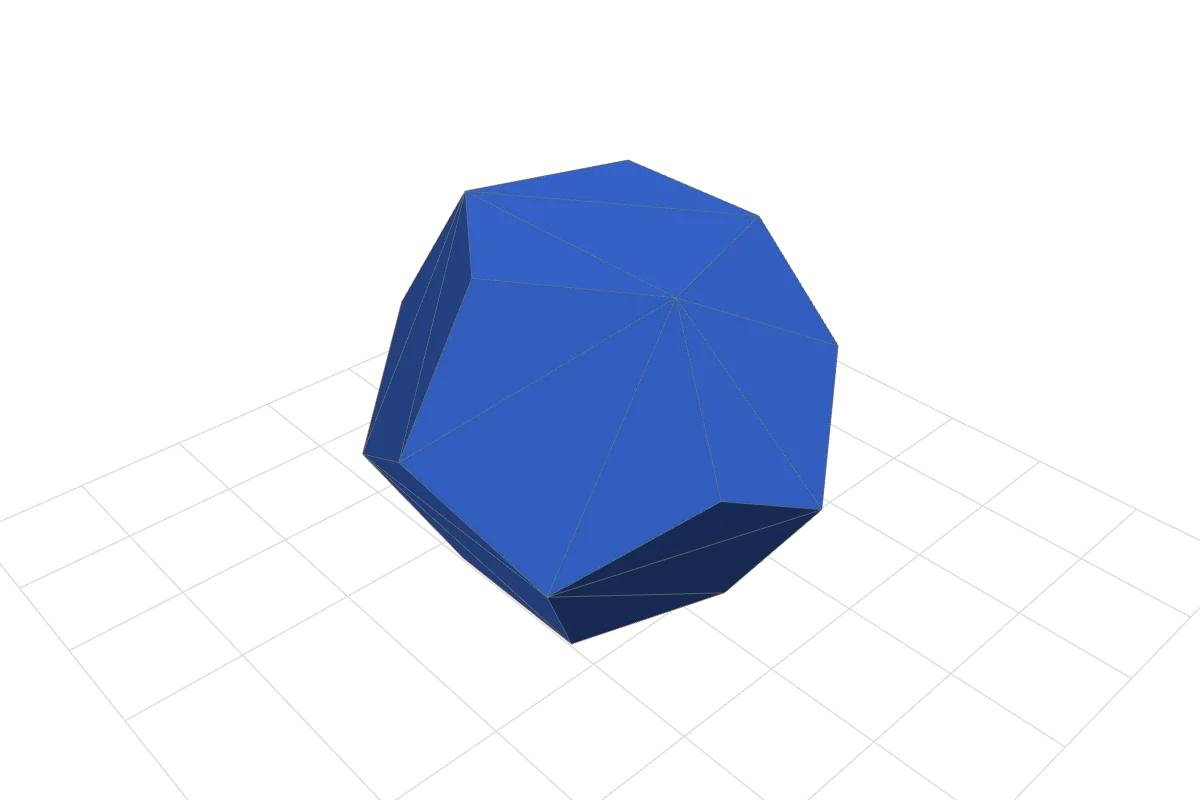
Dodecahedron, 40 mm across: 12 regular pentagons (each split into 3 triangles here). Built as the convex hull of its exact vertex coordinate…
Cuboctahedron, 40 mm across: An Archimedean solid of 8 triangles and 6 squares. Built as the convex hull of its exact vertex coordinates.
Truncated octahedron, 40 mm across: 8 hexagons and 6 squares — it fills space with no gaps. Built as the convex hull of its exact vertex coo…
Rhombicuboctahedron, 40 mm across: 8 triangles and 18 squares. Built as the convex hull of its exact vertex coordinates.
Truncated icosahedron (football), 40 mm across: 12 pentagons and 20 hexagons: the classic football pattern and the C60 molecule. Built as th…
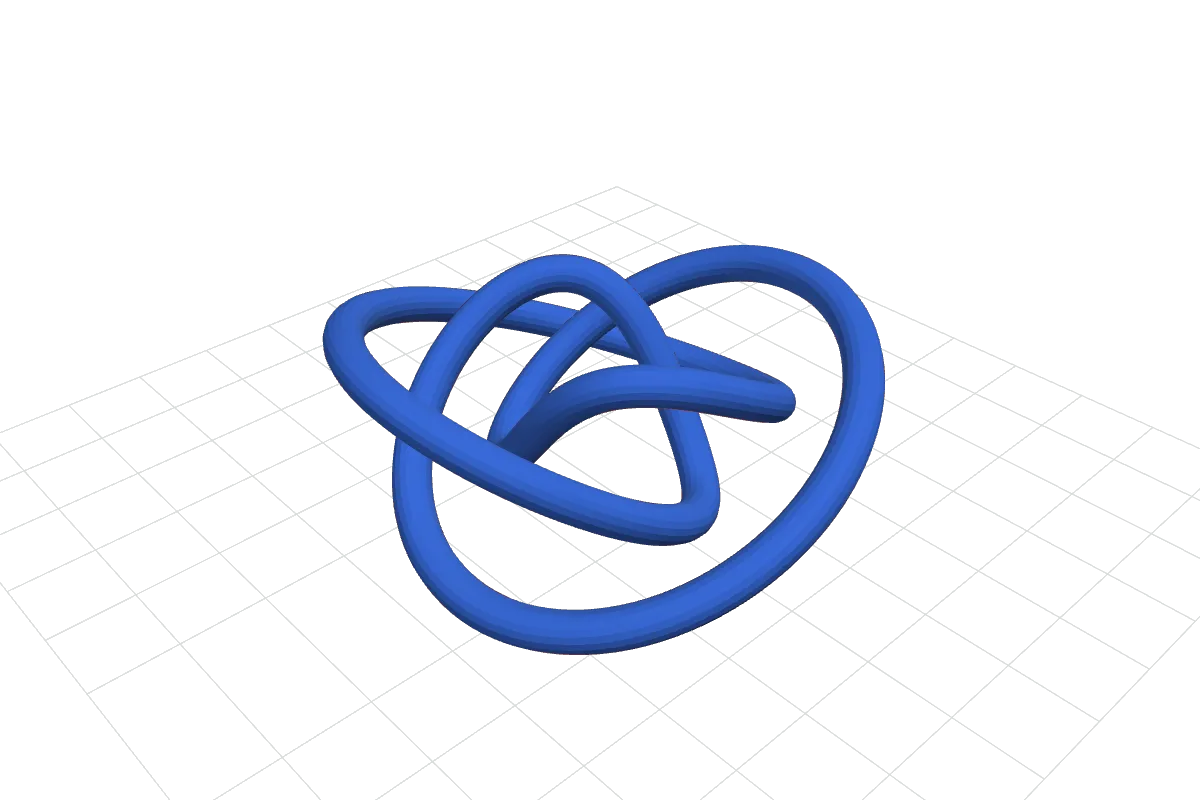
The simplest non-trivial knot, as a 5 mm tube following a (2, 3) torus knot.
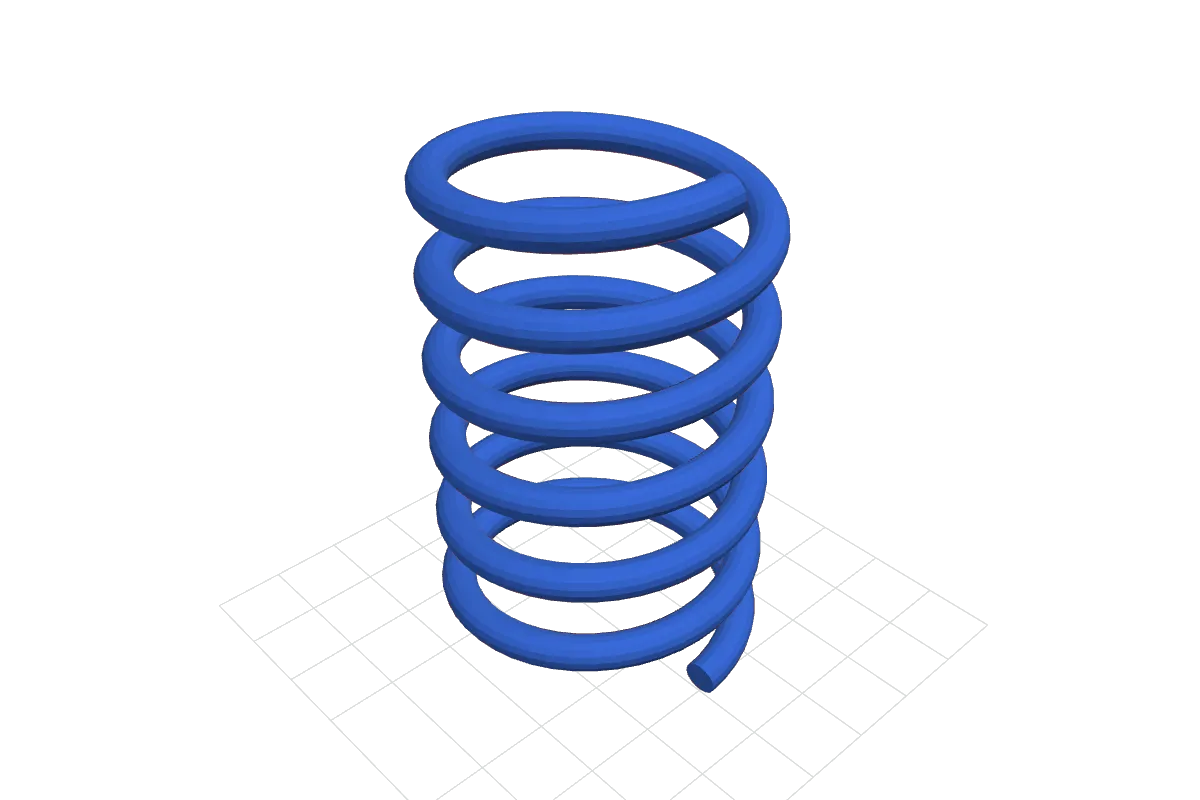
A (2, 5) torus knot: the tube winds twice around the axis and five times through the hole.
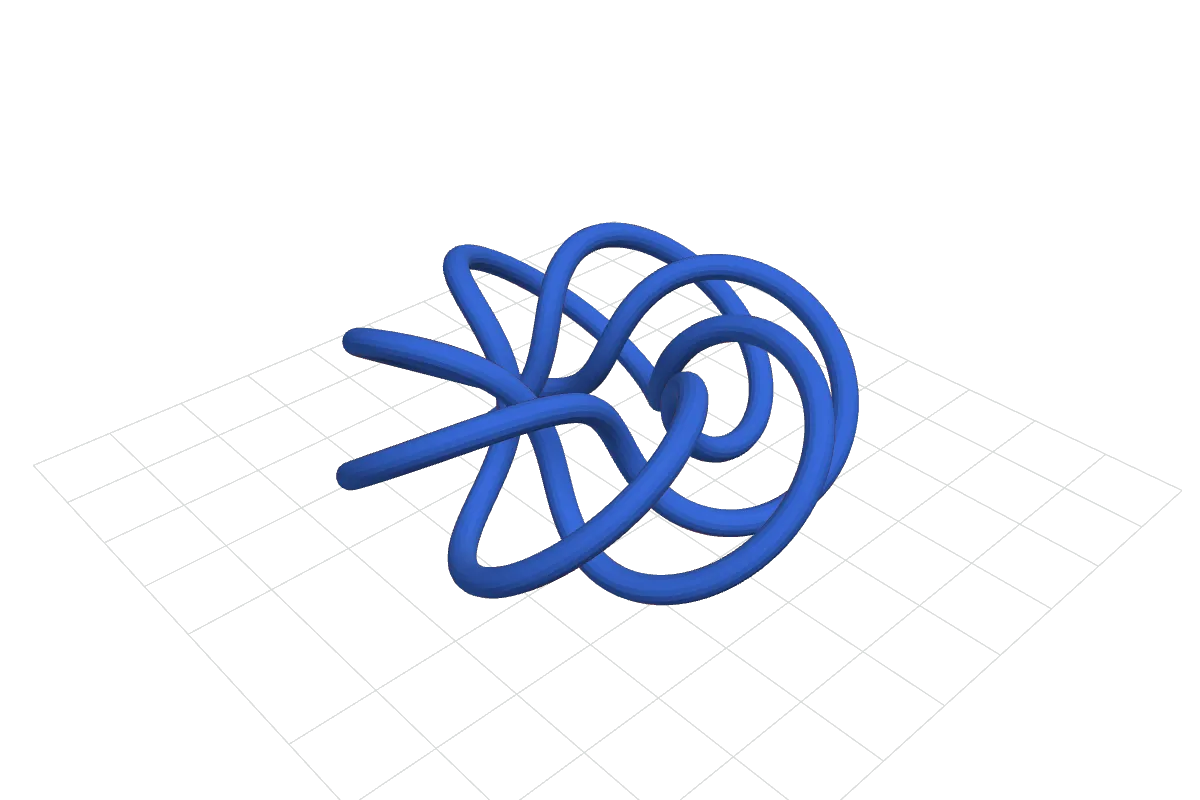
The figure-eight knot (four crossings), from a well-known closed parametric curve.
A 14 mm strip with a half-twist, thickened to 2.4 mm so it is a printable solid. Run a finger along it: one continuous edge.
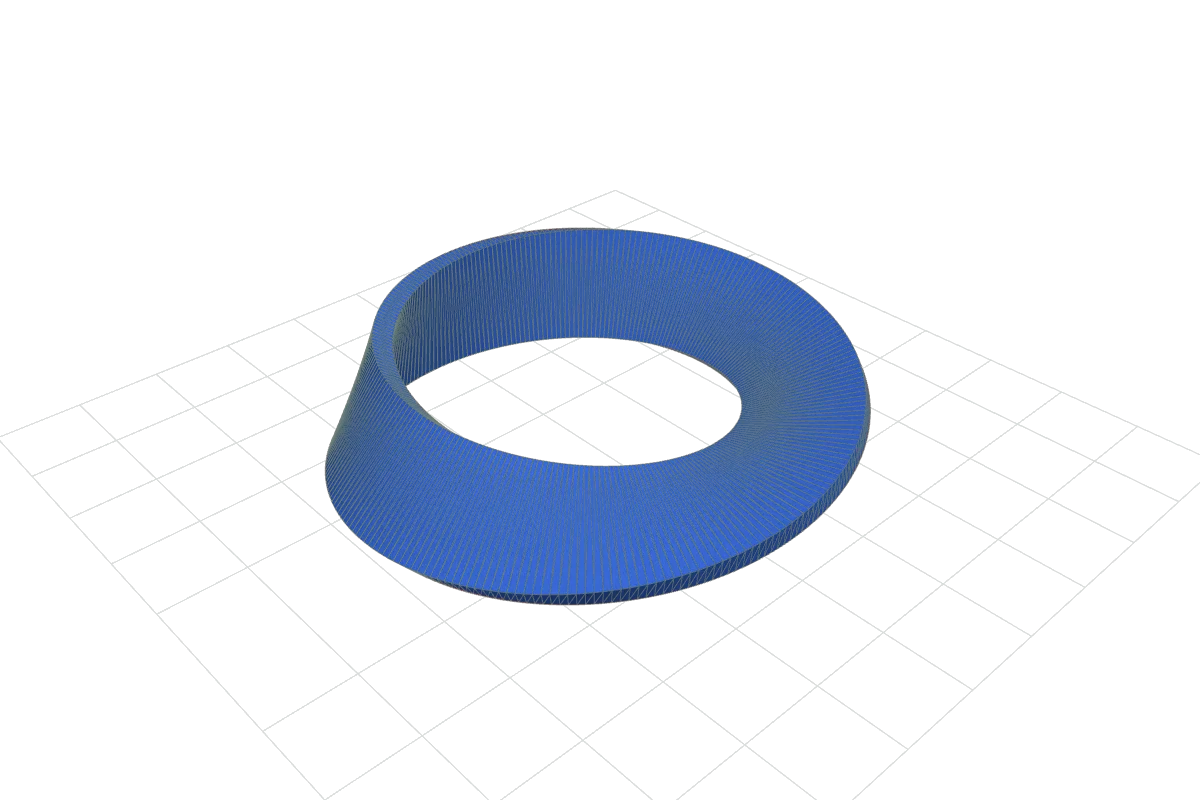
The mathematical Möbius strip as a zero-thickness surface. It is impossible to orient consistently, so the Studio reports open edges and fli…
A 54 mm cube with square tunnels at two scales: 400 of the 729 small cubes remain. A fractal whose surface area grows as its volume shrinks.
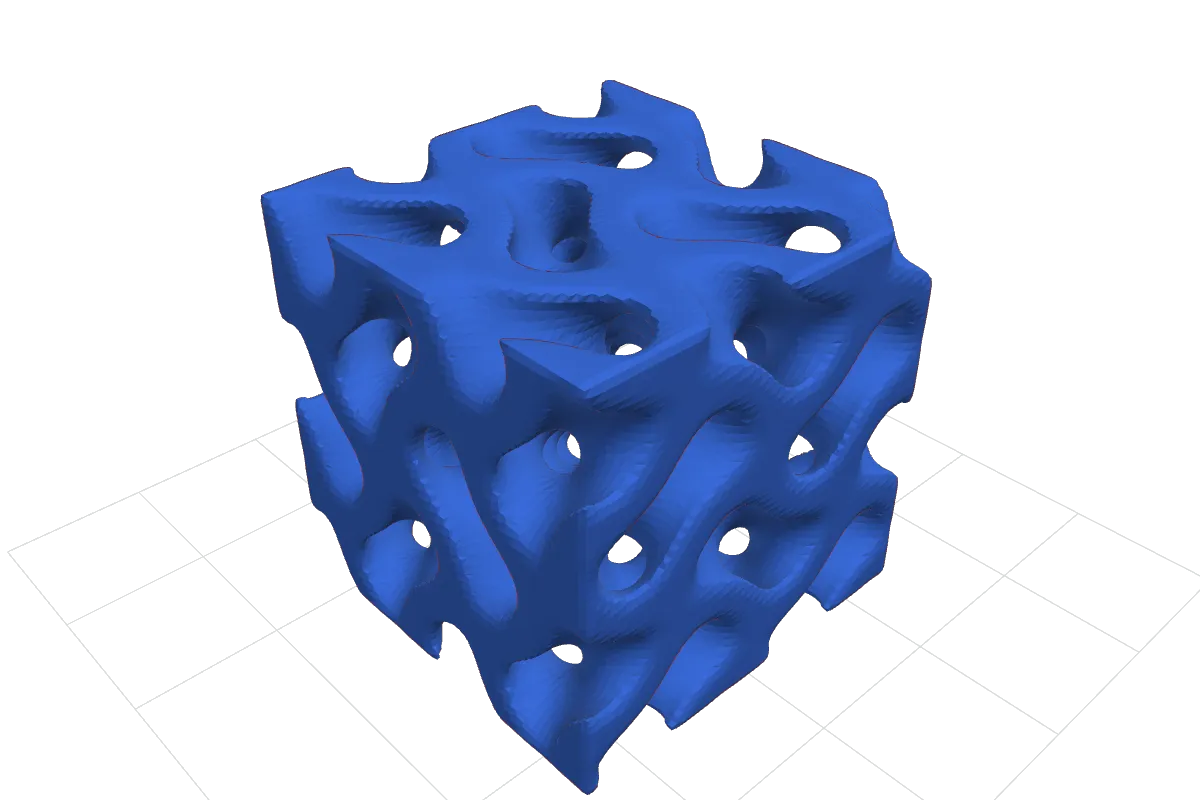
A 30 mm cube of gyroid — the triply periodic minimal surface many slicers use as infill — extracted from its implicit equation.
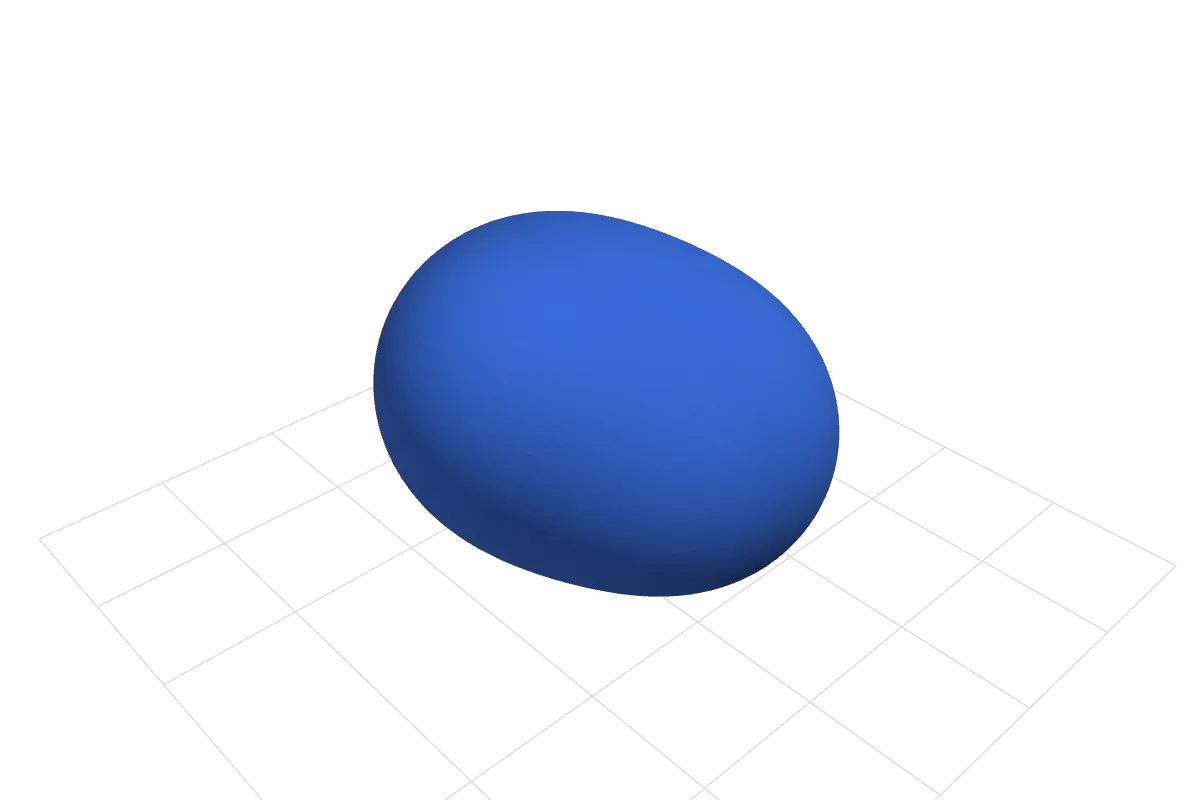
Four spheres blended into one smooth organic shape with an implicit “metaball” field.
Landscape tiles and surfaces generated from noise and functions.
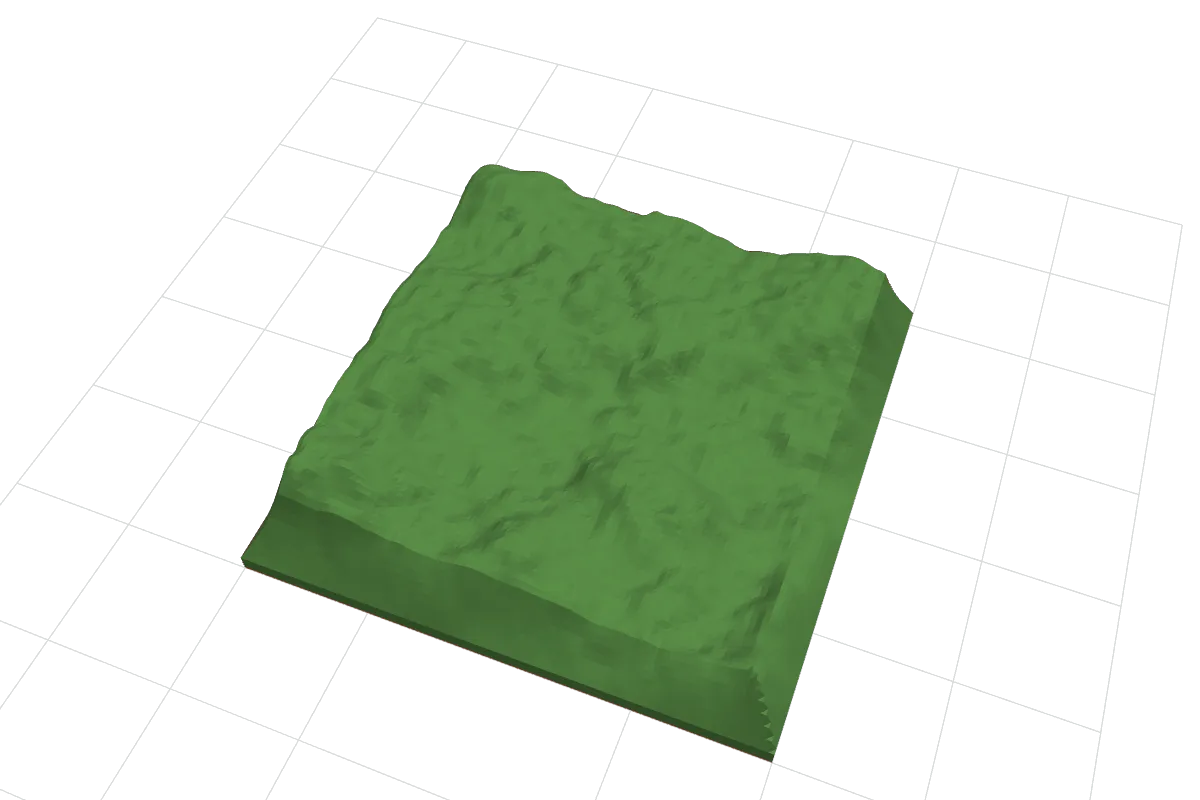
An 80 mm square landscape from fractal noise, with a 3 mm base. Every value is reproducible from seed 7.
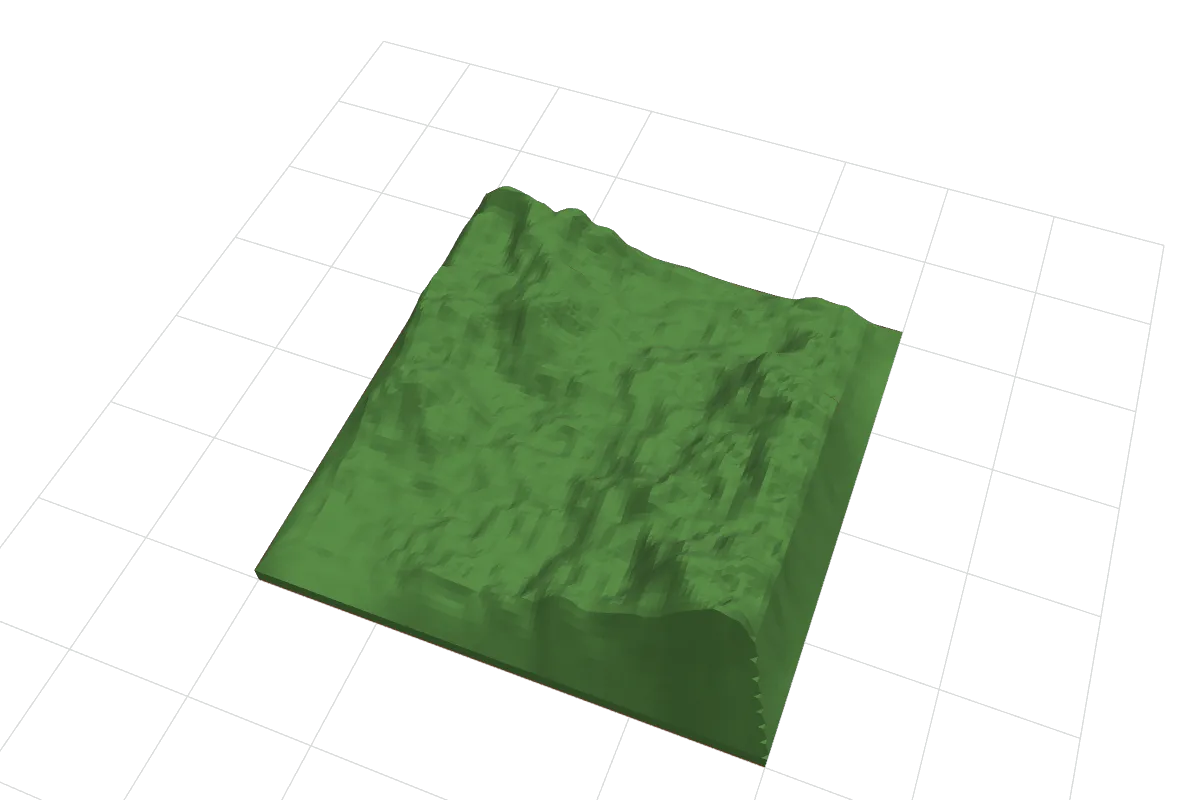
Sharper peaks from the same noise with a stronger exponent — seed 21.
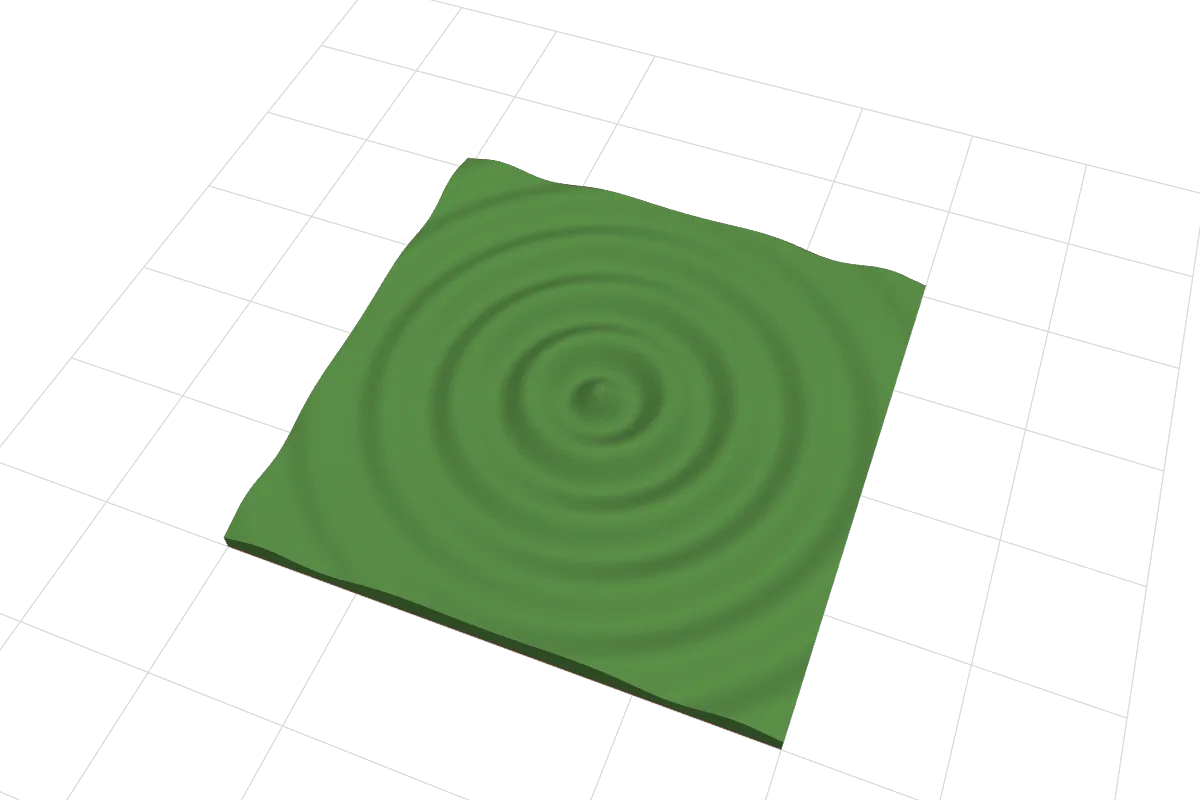
Circular ripples spreading from the centre and fading outward, like a drop in still water.
The original seven teaching models with four static file formats each.
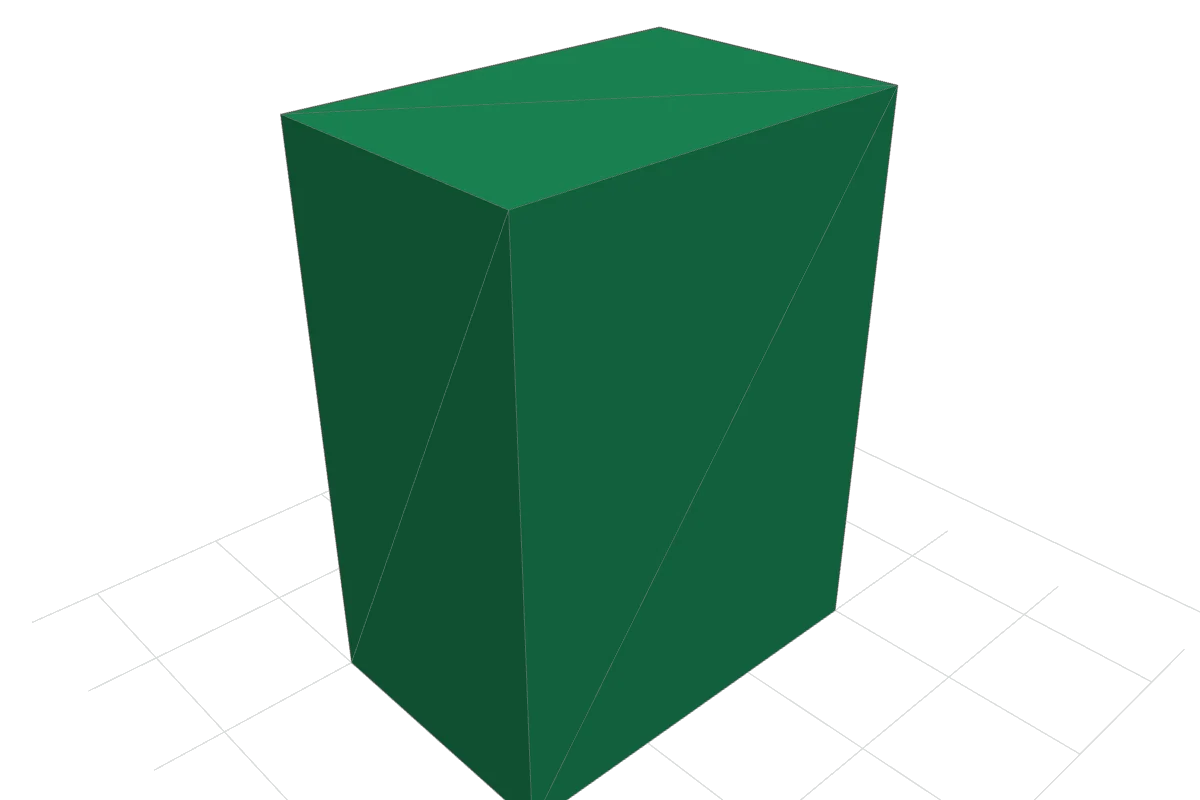
The simplest closed solid: 8 corners, 12 triangles, 8,000 mm³.
Three different sides make rotation and axis mix-ups obvious.
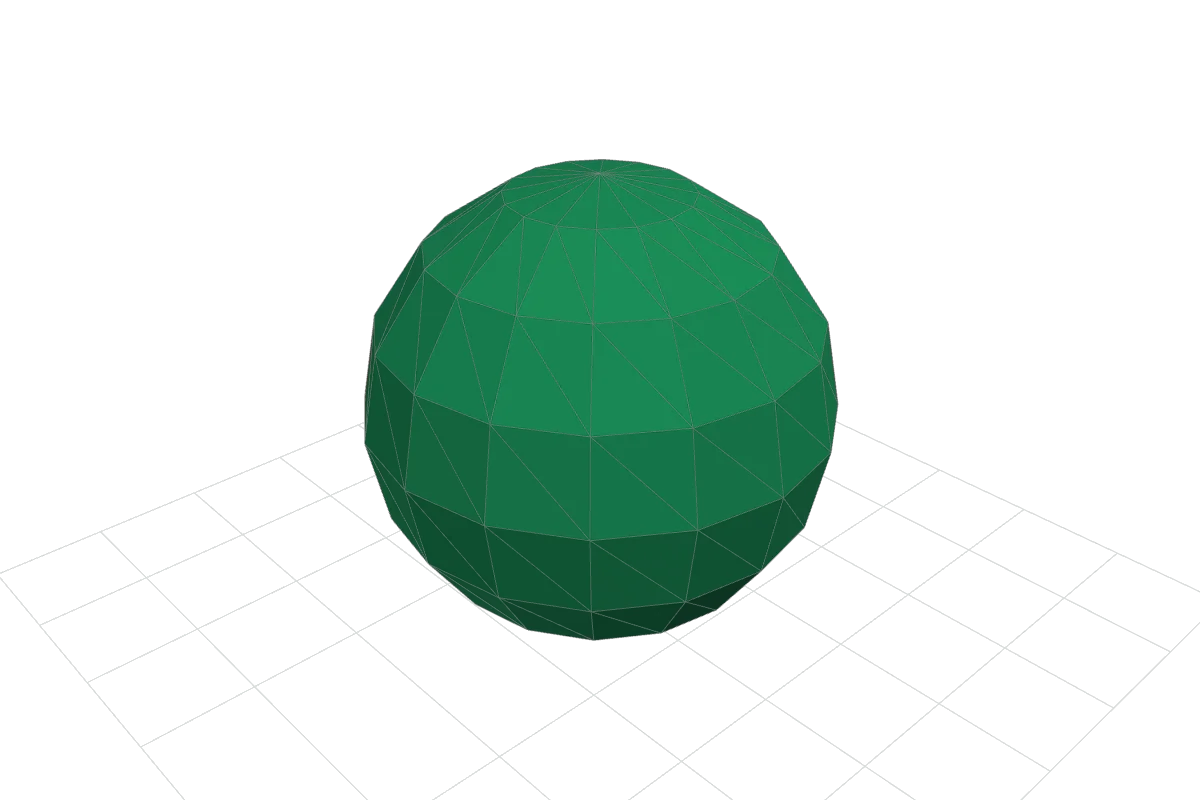
224 triangles approximate a sphere — and fall short of its volume.
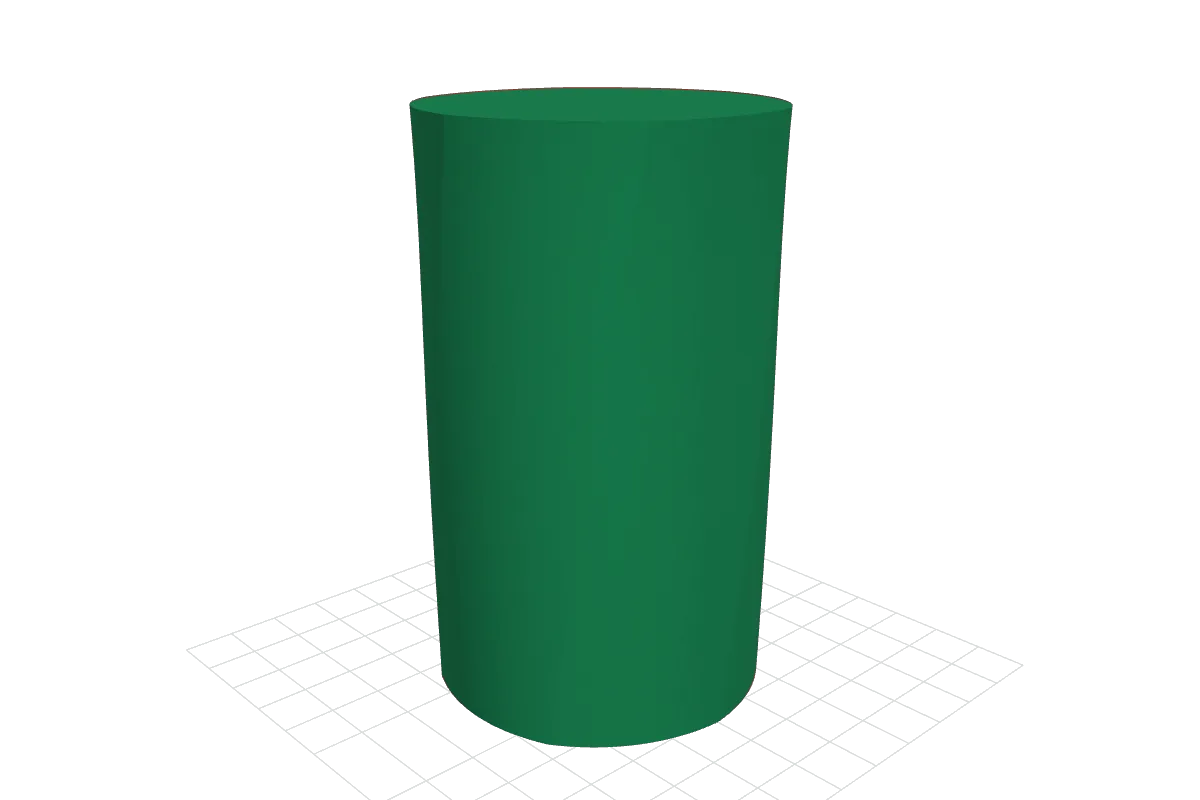
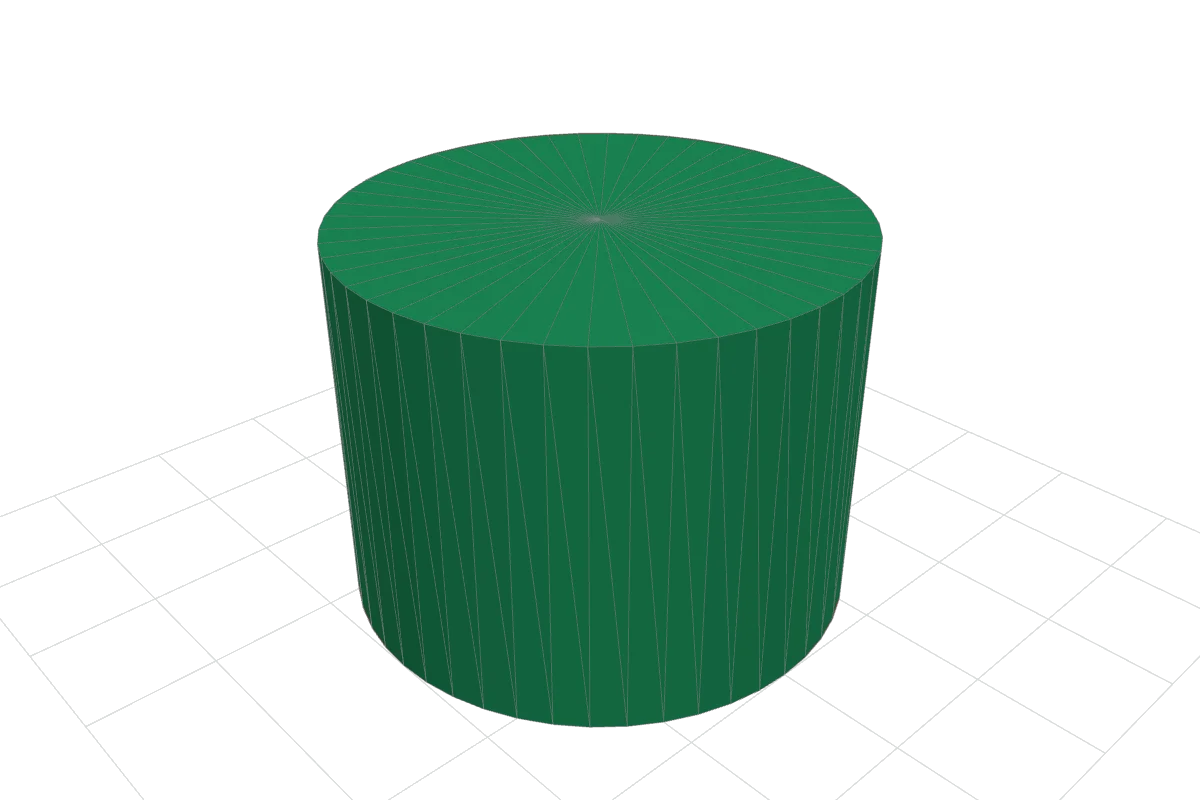
A 20 mm diameter, 15 mm tall cylinder in 192 triangles.
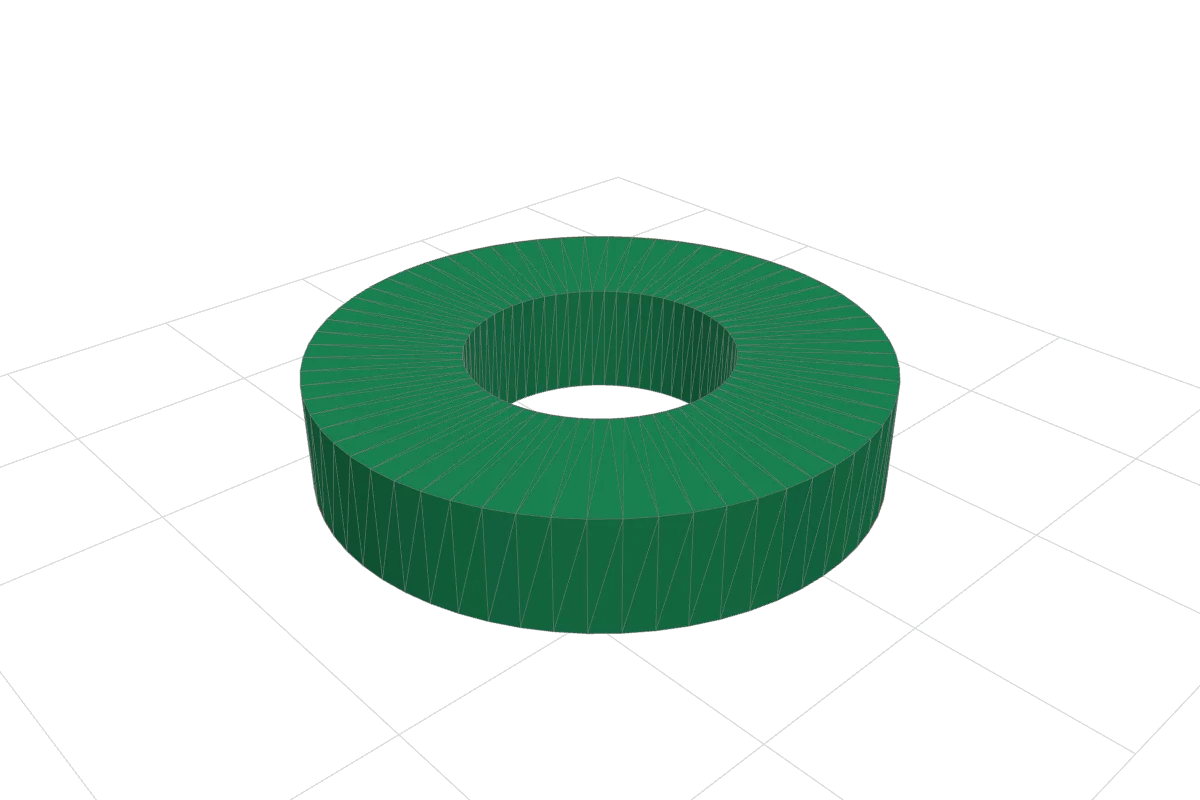
A closed surface with a hole through it: Euler characteristic 0.
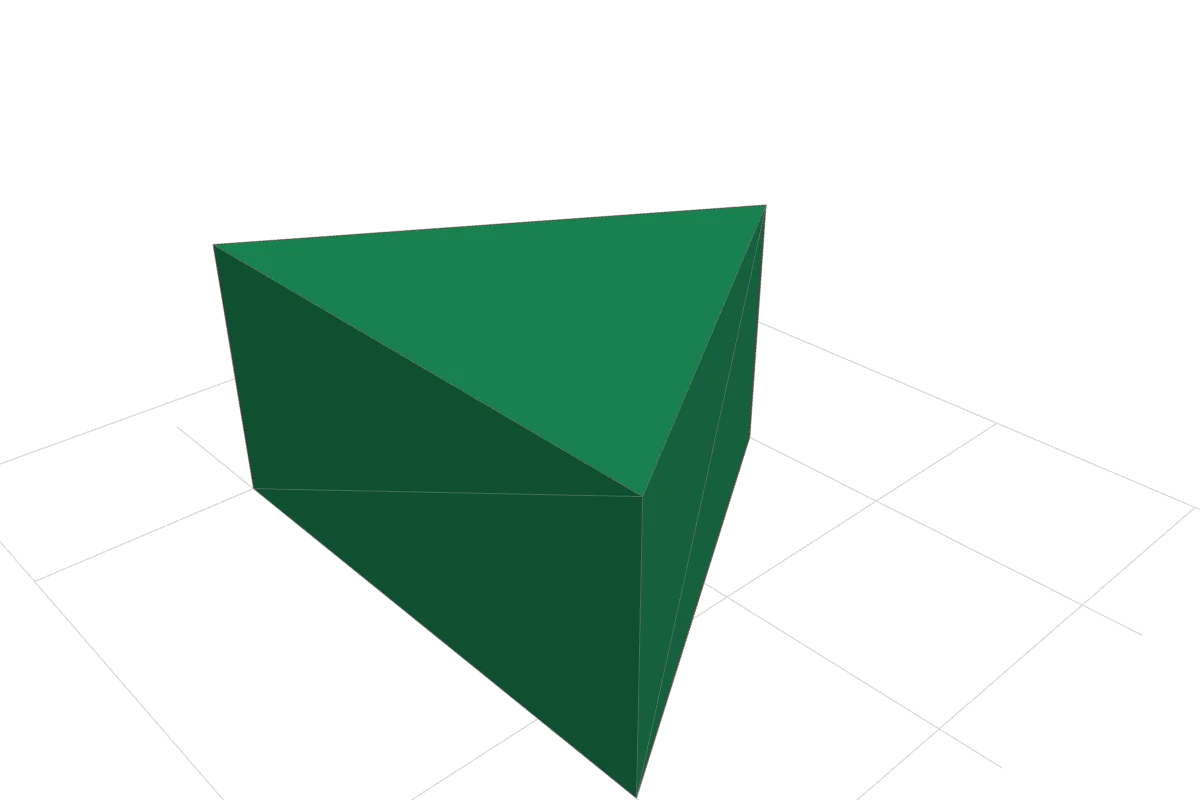
Six corners and eight triangles: the smallest prism.
Nine live generators let you change teeth, sizes, shapes and seeds and download the result.